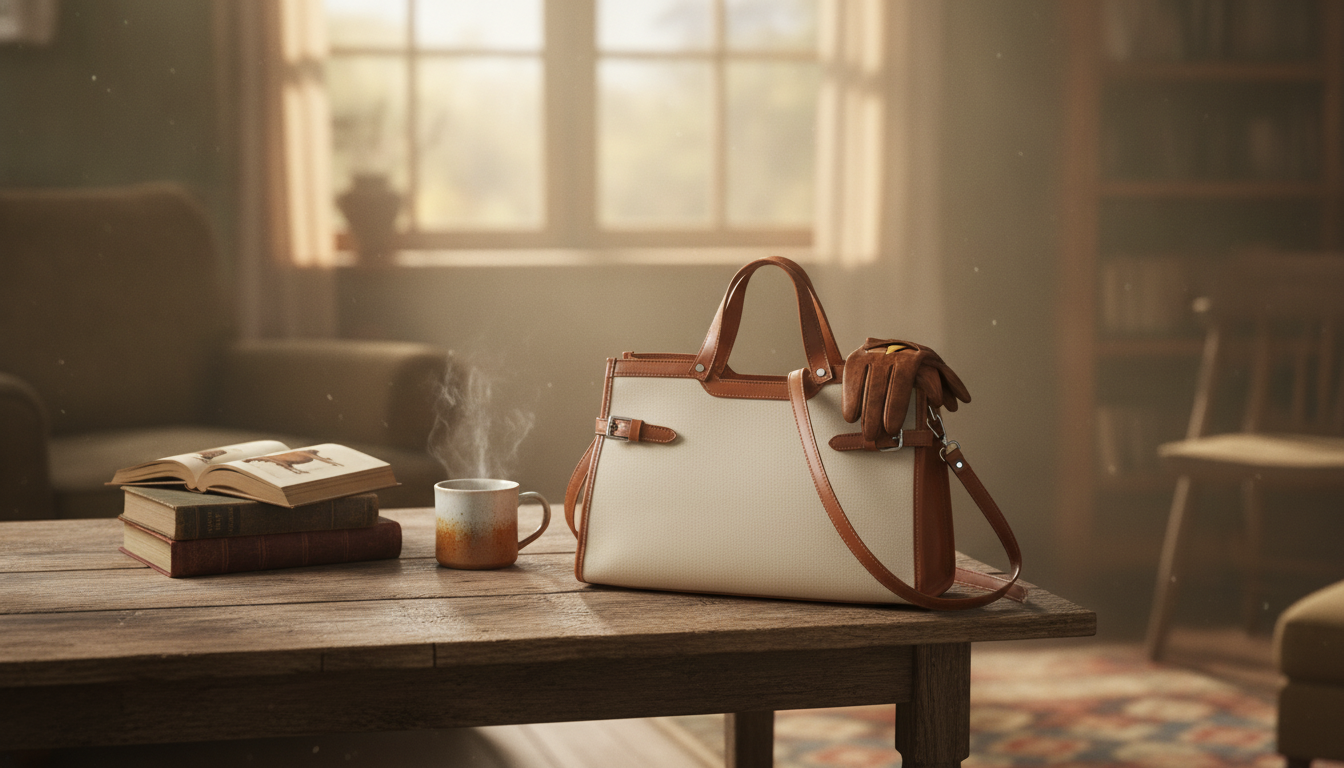
A cowhide leather tote brings together natural texture, long-wearing durability, and a relaxed vintage finish that looks better with time. A great tote doesn’t just “hold stuff”—it carries comfortably, stays dependable under daily routines, and develops a one-of-a-kind patina that reflects how it’s used. Below are the most important details to check before buying, easy ways to style a heritage-leaning tote year-round, and straightforward care habits that help leather stay supple and protected. For more guidance, see Six Handbags by Simon Wu – The Paris Review.
“Vintage” isn’t only about age—it’s about the way materials and details read as time-tested. Cowhide is especially good at delivering that heritage vibe because it shows character naturally instead of looking overly perfect. For further reading, see Handbag dating and label question | Vintage Fashion Guild Forums.
If you want a tote that ages attractively, focus on leather quality and the parts that take stress: straps, seams, corners, and closures. Small construction upgrades often matter more than trend-driven styling.
| Feature | What to look for | Why it matters |
|---|---|---|
| Leather surface | Visible grain, minimal plastic-like shine | A more natural finish tends to patina and wear attractively |
| Handle attachment | Reinforced stitching/rivets at anchor points | Prevents tearing under daily load |
| Edge finishing | Sealed or neatly folded edges | Reduces fraying and improves longevity |
| Interior | Sturdy lining or cleanly finished leather | Protects contents and helps the tote keep its shape |
| Hardware | Smooth action, solid feel, clean plating | Improves reliability and reduces snagging |
A vintage-style leather tote earns its keep because it transitions easily. The goal is a carry-all that feels relaxed, not bulky—and stays comfortable when it’s actually loaded.
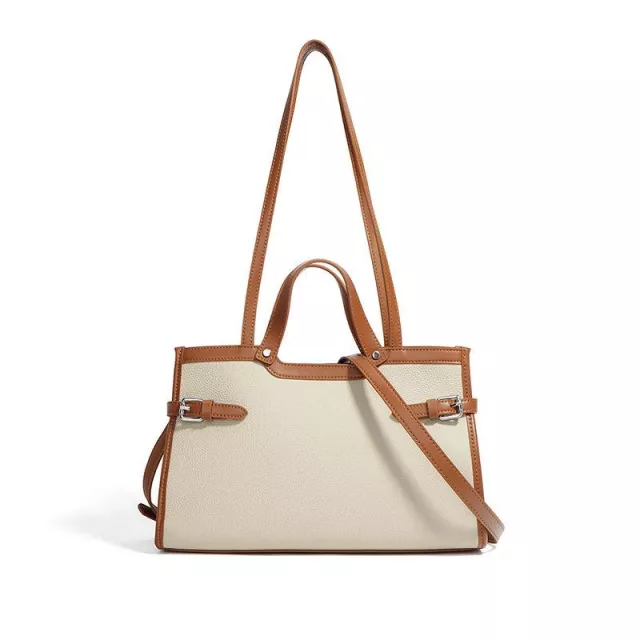
If you’re after that heritage look without sacrificing everyday practicality, the Vintage Cowhide Leather Tote is designed as a dependable day-to-day carry option with the natural character that cowhide is known for. It works well for commuting, casual outings, and travel days when quick access matters, and it pairs easily with neutral wardrobes and layered outfits.
Open tote formats are at their best with a simple system: consider adding a small pouch or organizer to keep smaller items easy to reach. If outfit photos are part of your routine (or you want to document how a tote styles across seasons), Snap It in Style: iPhone Outfit Photo Checklist – How to Take Outfit Photos with iPhone can help streamline consistent, flattering shots.
| Item | Details |
|---|---|
| Product | Vintage Cowhide Leather Tote |
| Price | 72.17 USD |
| Availability | In stock |
Yes—cowhide is generally known for strength and abrasion resistance, which makes it a solid choice for everyday carry. Long-term durability still depends on leather grade, stitching quality, and whether the tote is regularly overloaded, so basic cleaning and conditioning go a long way.
Use a leather-safe water protectant and avoid soaking the leather. If it does get wet, blot gently, air-dry away from direct heat, and lightly stuff the bag with paper to help it keep its shape while drying.
Keep it in a breathable dust bag in a cool, dry spot away from direct sunlight and heat sources. Lightly stuff it to maintain shape, and avoid plastic storage that can trap moisture and cause mildew.



Leave a comment