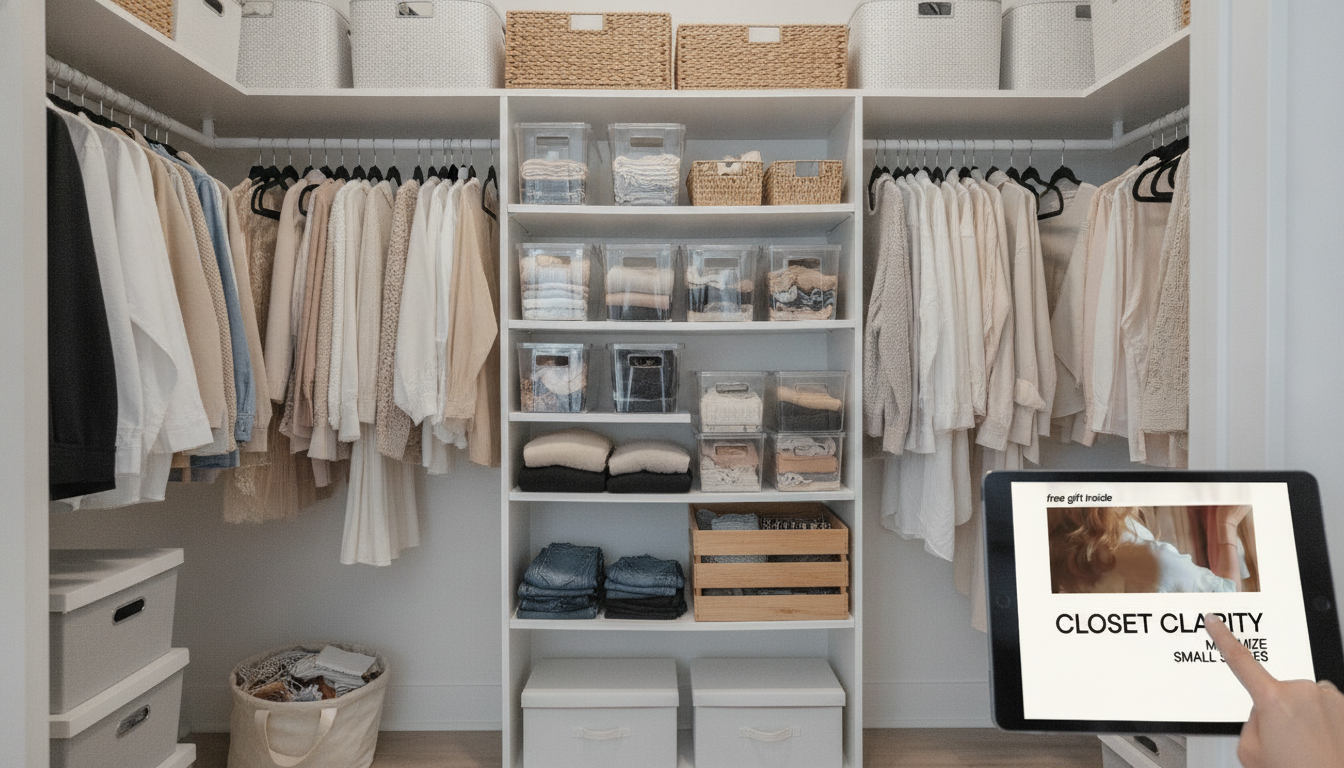
Small closets can feel chaotic fast: limited hanging space, hard-to-reach shelves, and piles that migrate to the floor. A clear plan—declutter first, then assign zones, then choose the right storage tools—turns even a narrow closet into a calm, easy-to-maintain system. The goal isn’t to own less for the sake of it; it’s to make what you keep easy to see, easy to grab, and easy to put back.
A true reset starts by removing the “background noise.” If you skip this step, you’ll end up reorganizing clutter instead of solving it.
For general cleaning best practices (especially if you’re dealing with dust buildup), follow straightforward guidance like the CDC’s recommendations for routine cleaning: CDC: Cleaning and Disinfecting Your Facility.
Small closets don’t fail because you “organized wrong.” They fail because decision fatigue sneaks in and the closet becomes a holding zone. Simple rules keep the system from drifting.
| Category | Keep when… | Let go when… |
|---|---|---|
| Everyday tops | Fits well and layers easily | Stretched, see-through, or never reached for |
| Jeans & pants | Comfortable and worn at least monthly | Pinch, gap, or require constant adjusting |
| Shoes | Comfortable and match multiple outfits | Painful, damaged, or only kept “just in case” |
| Occasion wear | Next event is likely within 6–12 months | Outdated fit/style or needs costly repairs |
| Accessories | Used weekly or elevates basics | Tangled, missing pairs, or hard to store neatly |
“Where should this live?” is the question that determines whether your closet stays tidy. Zoning creates a home for each type of item—and reduces the chance that clean laundry lands on a chair.
A quick check: if you routinely have to move five things to reach one thing, that zone is asking for a re-balance. Promote what you wear weekly; demote what’s occasional.
The best small-closet storage solutions don’t “add stuff.” They add structure—so stacks don’t slump, hangers don’t crowd, and the floor stays clear.
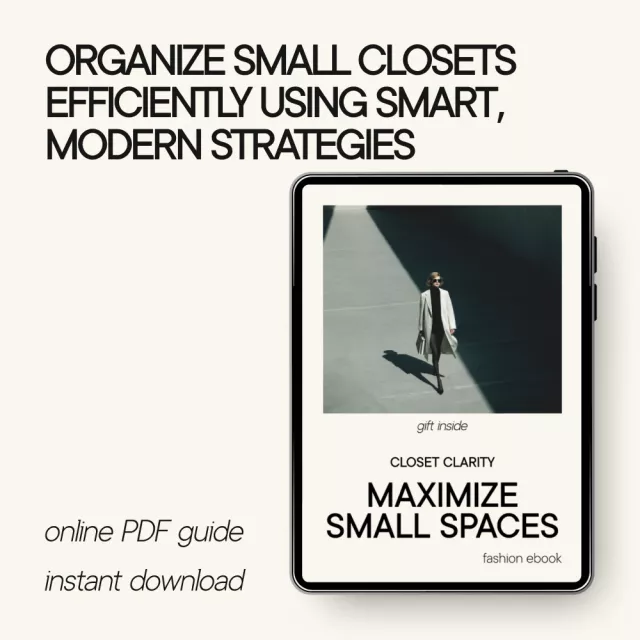
If you want a ready-to-follow layout that pairs decluttering prompts with practical zones, the digital guide Closet Clarity: Maximize Small Spaces – Smart Small Closet Organization Guide (Digital Download) is easy to keep open on your phone while you sort.
For smaller items that easily disappear—hair accessories, cufflinks, safety pins, or delicate jewelry—an enclosed container keeps your shelves calmer. A countertop-style option like the Vintage Embossed Glass Storage Jar with Airtight Seal – 23.7 oz can work well on a dresser or closet shelf for quick-drop essentials you actually use.
If you photograph outfits you already love, getting dressed becomes faster—and you’re less likely to “panic shop” because you can’t see what works. Snap It in Style: iPhone Outfit Photo Checklist helps you capture consistent outfit photos so you can repeat winning combinations without overthinking.
If you prefer a repeatable framework instead of a one-time cleanout, use a guide that walks you through decisions in the right order. Closet Clarity: Maximize Small Spaces – Smart Small Closet Organization Guide (Digital Download) is designed for apartments, shared closets, and anyone who wants simple “do this next” momentum—especially when you’re short on time.
One quick note if you see promotions anywhere online using terms like “free”: it’s worth understanding what that wording can legally mean, including required disclosures. Reference: FTC: Guides Concerning Use of the Word “Free” and Similar Representations.
Start by decluttering with simple caps per category, then prioritize daily-wear zones at eye level. Use slim hangers, add vertical shelf structure, and store off-season items in labeled bins so your most-worn pieces stay easiest to reach.
Hang wrinkle-prone items like shirts, blouses, dresses, and trousers, and fold bulky knits, tees, and athleisure to protect their shape. Reserving rod space for items that look best hung keeps the closet feeling less crowded.
Use a short weekly reset, keep a donation bag handy, and apply one-in/one-out for tight categories. Re-zone each season so the items you use most are always in the most accessible spots.


Leave a comment