Lasting change tends to stick when everyday actions match the deeper patterns running in the background—habits, emotional triggers, and long-held beliefs. The subconscious mind isn’t “mystical”; it’s largely automatic processing shaped by repetition, emotion, and environment. When those inputs stay the same, it’s easy to relapse into familiar loops—even with strong motivation. The good news: those loops can be retrained with simple, repeatable exercises that make the new response easier than the old one.
The conscious mind is great at deliberate decisions, but it’s slow and effortful. The subconscious is fast—built for pattern recognition and default behaviors. Once a behavior is repeated enough, it becomes a “go-to” response that requires less energy to execute. That’s helpful for driving, typing, or making coffee; it’s limiting when the default response is procrastination, emotional eating, doom-scrolling, or self-sabotage.
That’s also why “willpower only” approaches often collapse. If the cues (time, place, feelings, notifications) and environment remain unchanged, the subconscious keeps firing the same script. You can usually spot subconscious control when life feels like autopilot: scrolling without meaning to, overreacting to a comment, delaying a task you care about, or getting close to a goal and suddenly creating chaos.
From a science perspective, habits are learned patterns that become relatively automatic (see the APA definition of habit), and the brain’s ability to rewire through experience is supported by neuroplasticity research (overview from the NIH).
Most “bad habits” aren’t random—they’re predictable sequences. A cue sets off an inner story, which creates a feeling, which drives an action. Change gets easier when you intervene at one lever instead of trying to “fix everything” at once.
Common cues include time of day (late evening), location (couch), certain people, notifications, stress/fatigue, and hunger. The cue isn’t the problem; it’s the trigger that starts the chain.
The story is the snap-judgment that feels true in the moment: “If it’s not perfect, it’s pointless,” “I deserve a reward,” or “If I fail, it proves I’m not capable.”
Emotions show up in the body first: tight chest, buzzing restlessness, heat in the face, numbness, heavy shoulders. Labeling what’s happening reduces the intensity and creates a pause.
You can change the cue (environment design), soften the story (reframing), downshift the emotion (regulation tools), or swap the action (a small replacement behavior that still meets the underlying need).
| Loop trigger | Automatic belief/story | Typical behavior | New response to train |
|---|---|---|---|
| Evening fatigue | “I deserve a reward” | Mindless snacking/scrolling | 10-minute reset routine + planned treat |
| Work challenge | “If I fail, it means I’m not capable” | Procrastination | Define the smallest next step + 15-minute timer |
| Social comparison | “I’m behind” | Doom-scrolling | Curate feed + 2-minute grounding breath + action toward one goal |
| Conflict/criticism | “I’m being attacked” | Defensiveness or shutdown | Pause, label emotion, ask one clarifying question |
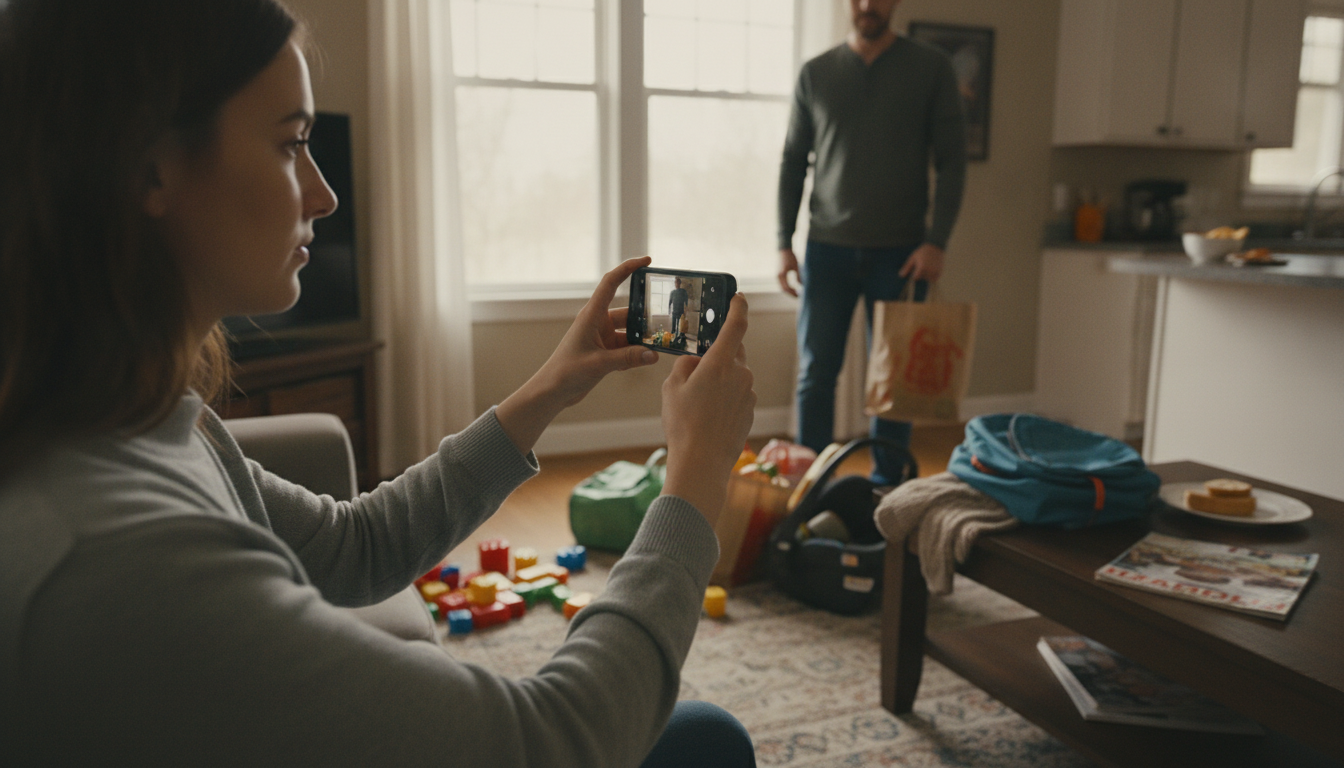
Rehearse the new response inside the exact moment you usually fail. Picture the cue, the room, the time, the emotion—and then “watch” yourself do the replacement action. The goal is familiarity: when the real moment arrives, the new script feels less foreign.
This reduces decision friction and improves follow-through. Research on implementation intentions links them to better goal achievement (summary of findings in Nature).
Replace absolute language (“always/never”) with training language: “not yet,” “learning,” “building,” “practicing.” This keeps the subconscious from treating one slip as proof of identity.
Try a slow exhale (longer than the inhale), a quick body scan, or brief progressive muscle relaxation. These are fast ways to reduce the intensity that usually drives the old habit.
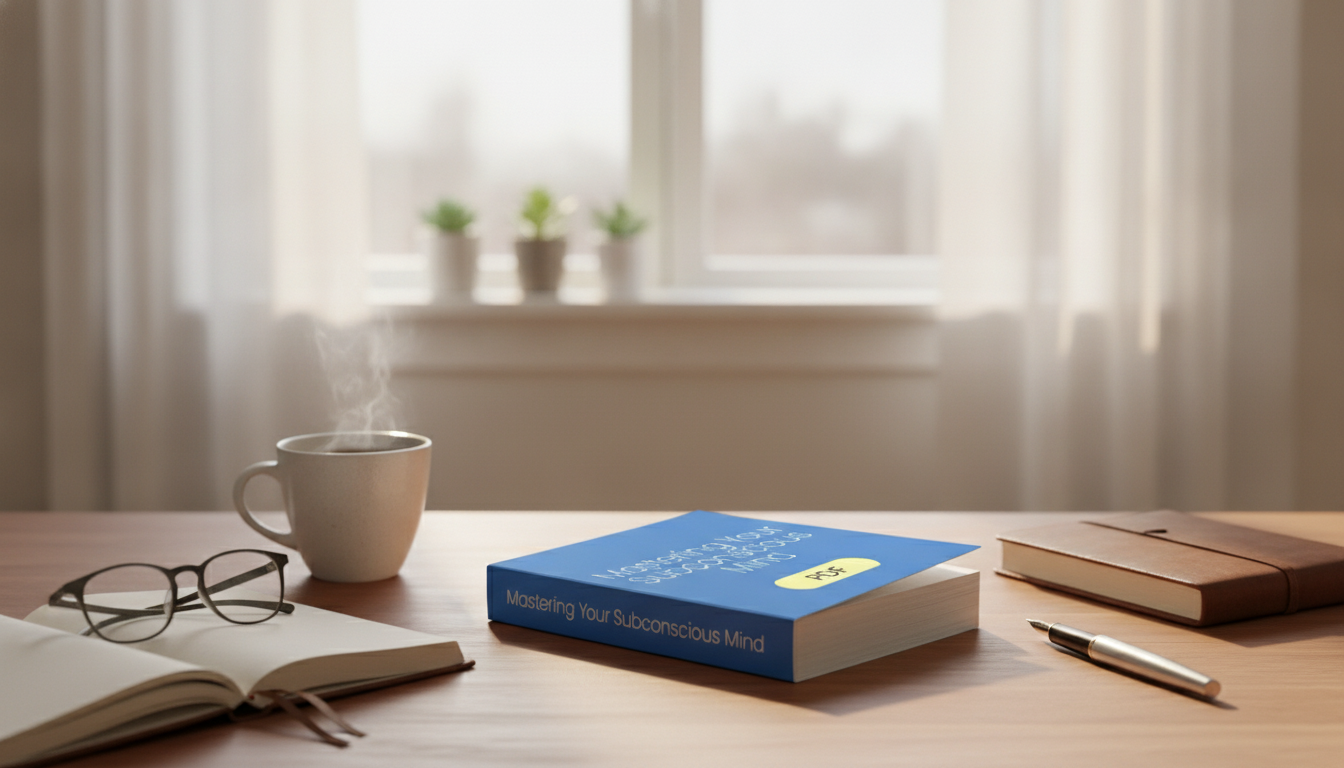
If a structured guide helps you follow through, the Unlocking the Invisible Power: A Practical Guide to Mastering Your Subconscious Mind | Learn how to use subconscious mind | Transform Habits, Beliefs & Inner Power eBook organizes the process into practical exercises you can repeat. It focuses on identifying subconscious patterns behind habits, beliefs, and self-talk, then building new mental scripts that hold up under stress.
To support environment design, small physical “cue” tools can help make the new behavior the default. For example, a dedicated space can reduce friction for routines (see the Sturdy 6×4 FT Metal Outdoor Storage Shed for Garden, Bike, and Tools for decluttering and creating order), and a visible container can act as a cue for planned choices (like portioning snacks or prepping ingredients in the Vintage Embossed Glass Storage Jar with Airtight Seal – 23.7 oz).
Timelines vary because repetition, environment, and emotional triggers all affect automatic behavior. Focus on consistent reps and reducing friction rather than hitting a specific number of days.
Affirmations work best when paired with evidence-building actions, emotional regulation, and specific “if-then” plans. Statements that feel unrealistic can create resistance, so aim for believable training language.
Pick the day’s main trigger, rehearse your new response for 2–3 minutes, and track one small win at night. This builds awareness, prepares the brain for the cue, and reinforces progress.





Leave a comment