HomeBlogBlog4-in-1 Mobility Workout Toolkit for Flexible, Pain-Free Moves

4-in-1 Mobility Workout Toolkit for Flexible, Pain-Free Moves

4-in-1 Mobility Workout Toolkit for Flexible, Pain-Free Moves

Complete Mobility Workout Toolkit for a Flexible, Pain-Free Life | 4-in-1 Bundle

Daily stiffness, desk posture, and training fatigue can stack up into nagging aches and limited range of motion. A smart mobility routine does more than “stretch”—it helps you build usable range, cleaner movement, and better control so your body feels more comfortable during workouts and everyday tasks. The Complete Mobility Workout Toolkit for a Flexible, Pain-Free Life | 4-in-1 Bundle is built to make mobility simple to follow, easy to repeat, and realistic for busy weeks.

What “mobility” actually improves

Mobility is the combination of range of motion and the strength, coordination, and awareness to use that range. When it’s trained consistently, mobility supports:

  • Joint range of motion with control (not just passive flexibility)
  • Movement coordination across hips, spine, shoulders, and ankles
  • Tissue tolerance for common positions: squatting, reaching overhead, rotating, and hinging
  • Comfort during daily activities like sitting, walking, climbing stairs, and lifting

If you want a deeper look at flexibility and safe stretching basics, these resources are helpful: ACSM: Flexibility and Stretching, NIH MedlinePlus: Stretching, and Mayo Clinic: Stretching—Focus on flexibility.

Who this toolkit fits best

  • Desk workers who feel tight hips, rounded shoulders, or a stiff upper back after long sitting
  • Active beginners who want safer form for squats, lunges, hinges, and overhead work
  • Gym-goers who want better warm-ups and fewer “pinchy” joint sensations
  • Runners and walkers looking for smoother stride mechanics and ankle/hip control
  • Anyone building consistency for long-term comfort and resilience

What’s included in the 4-in-1 bundle

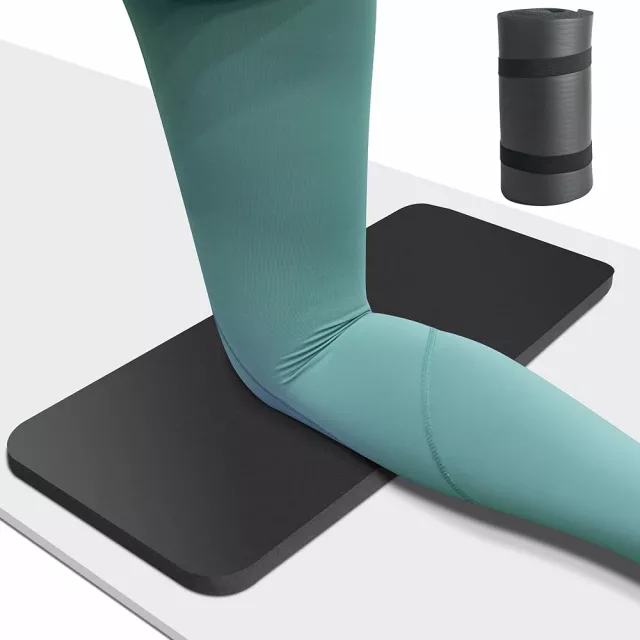
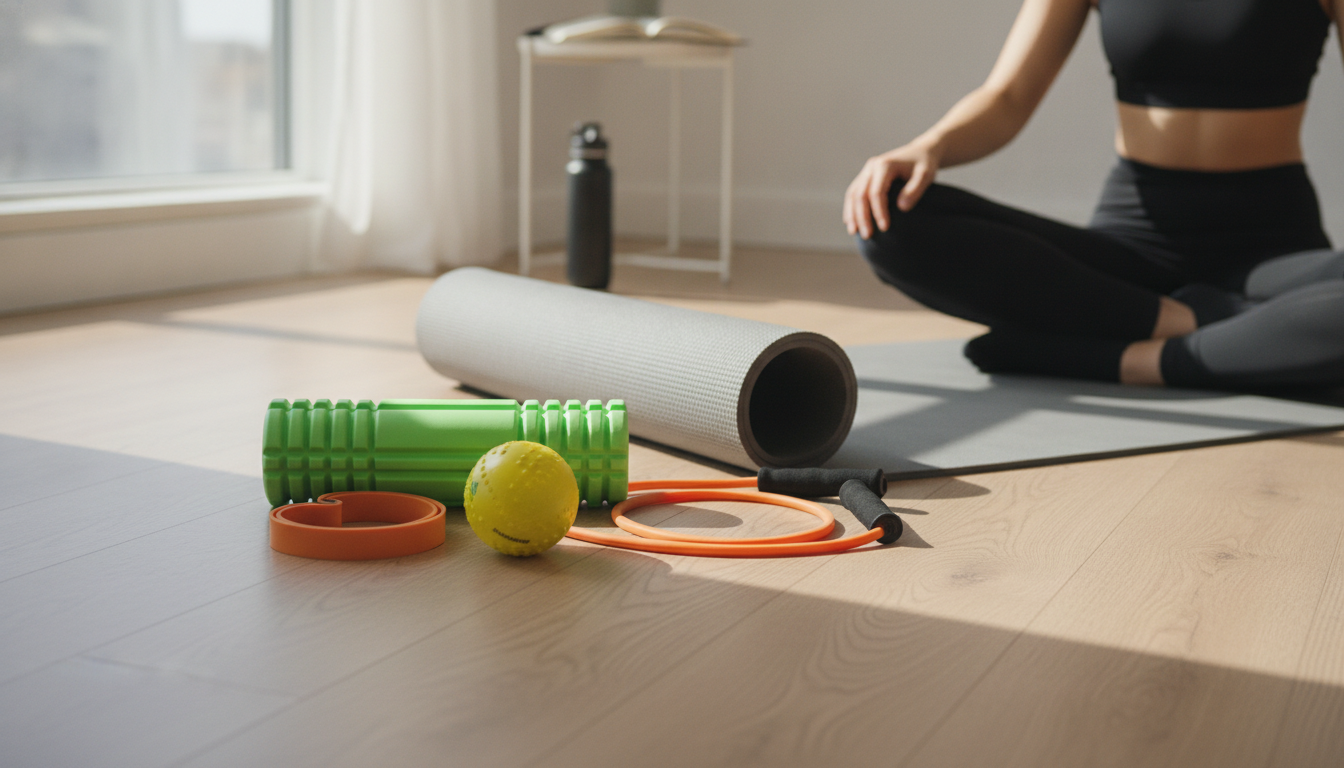
This bundle combines four complementary components designed to support mobility, flexibility, and pain-free movement patterns. Instead of guessing what to do each day, you get a repeatable structure you can use as a warm-up, cooldown, or standalone session.

  • Four-part system that works together rather than isolated “random stretches”
  • Repeatable structure for warm-ups, cooldowns, or dedicated mobility days
  • Progression-friendly approach: start short and build volume over time
  • Home-friendly setup with minimal prep so sessions are easier to stick with

For shoppers who want a single, all-in routine they can run on repeat, the Complete Mobility Workout Toolkit for a Flexible, Pain-Free Life | 4-in-1 Bundle is a straightforward option that emphasizes controlled range rather than aggressive stretching.

A simple weekly routine (pick the time that’s easiest to keep)

The best mobility plan is the one you can repeat without dreading it. Aim for manageable “doses” that leave you feeling better—not wrecked.

  • Short daily option: 10–15 minutes focused on the tightest areas (hips, thoracic spine, shoulders, ankles)
  • Training days: 5–10 minutes before workouts to open range and cue control; 5–10 minutes after for downshifting
  • Rest days: 20–30 minutes as a standalone mobility session for recovery and movement quality
  • Consistency beats intensity: choose repeatable doses that don’t spike soreness

Sample mobility schedule

Day Time Focus Notes
Mon 10–15 min Hips + ankles Pair with gentle core control
Tue 5–10 min Shoulders + upper back Great before pressing or pulling
Wed 20–30 min Full-body flow Use as standalone recovery session
Thu 10–15 min Hip rotation + hamstrings Stay slow; avoid forcing end ranges
Fri 5–10 min Spine + scapular control Best before overhead work
Sat 20–30 min Lower-body mobility Helpful before long walks or runs
Sun 10 min Easy reset Breathing + gentle ranges only

How to use it for common problem areas

Mobility work is most effective when it’s targeted and calm. Instead of “stretching harder,” focus on better positions and controlled movement.

  • Lower back tightness: prioritize hip mobility and controlled trunk positioning rather than aggressive back stretching.
  • Neck and shoulder tension: focus on thoracic spine movement and scapular control to reduce strain up top.
  • Hip pinching in squats: build hip rotation capacity and ankle range while keeping knees tracking comfortably.
  • Ankle stiffness: improve dorsiflexion gradually to support deeper squats and smoother gait.
  • Knee discomfort during activity: emphasize hip control, ankle mobility, and pain-free ranges while keeping loading appropriate.

Progress without setbacks

  • Use a discomfort scale: stay in tolerable ranges; sharp pain or numbness is a stop signal.
  • Slow tempo + controlled breathing often improve results more than pushing deeper stretches.
  • Track 2–3 markers weekly (e.g., depth of squat, overhead reach comfort, morning stiffness level).
  • If symptoms persist or worsen, consult a licensed clinician for individualized guidance.

Bundle details at a glance

Ready to build a repeatable mobility habit? Start with the Complete Mobility Workout Toolkit for a Flexible, Pain-Free Life | 4-in-1 Bundle and keep sessions short enough that you’ll actually do them—then scale up gradually.

More in-stock picks

FAQ

How often should mobility training be done to notice results?

Most people do well with 3–6 days per week using short sessions. Small changes often show up in 1–2 weeks, with more noticeable improvements in 4–8 weeks depending on consistency and starting stiffness.

Is mobility training safe if there is pain or past injuries?

It can be safe when you stay in pain-free or tolerable ranges, avoid sharp pain or numbness, and progress gradually. If symptoms are severe, persistent, or getting worse, a licensed clinician can help tailor the right approach.

Should mobility work be done before or after workouts?

Before workouts, use dynamic, controlled drills that prepare joints and reinforce good movement patterns. After workouts, gentler mobility can help downshift and restore comfortable ranges—either works best when it’s consistent.

Was this article helpful?

Yes No
Leave a comment
Top

Shopping cart

×