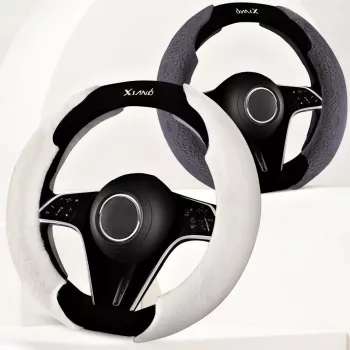
Yes—steering wheel covers can be good for steering wheels when you choose the right material and fit, and install it correctly. A well-made cover acts like a wearable layer that takes the daily abuse (sun, sweat, lotion, rings, and constant friction) instead of your original wheel surface. That can help reduce fading, cracking, peeling, and that “shiny” worn spot that develops over time.
Protection from wear and UV: Direct sunlight and heat are tough on leather, vinyl, and polyurethane steering wheels. A cover adds a barrier that can slow drying and discoloration.
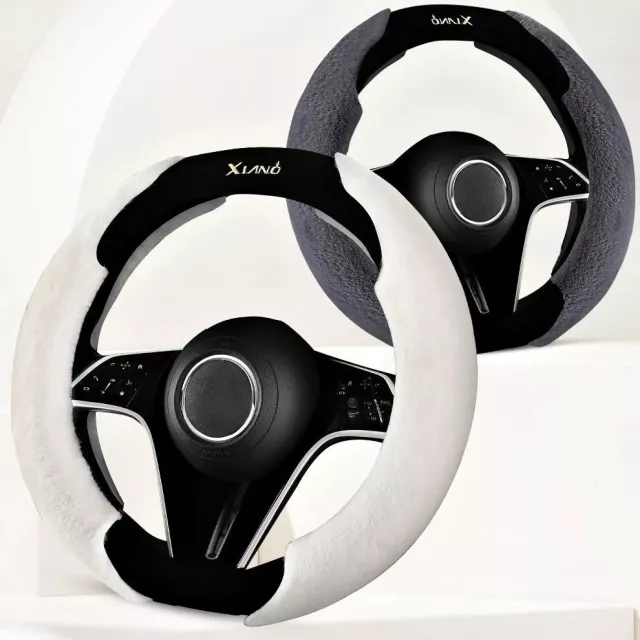
Better grip and comfort: Many covers add texture that improves control, especially if your factory wheel feels slick. Plush or insulated covers can also make winter driving more comfortable by reducing the shock of a freezing wheel.
Easier upkeep: It’s typically simpler (and cheaper) to replace or clean a cover than to restore a damaged steering wheel.
Poor fit: A loose cover can rotate or bunch up, which is distracting and can reduce steering precision. Always match the cover size to your wheel diameter and thickness.
Low-quality materials: Cheap covers may shed, smell, or degrade in heat. Some rubbery materials can feel tacky or get slippery with sweat.
Added thickness: Extra bulk can make the wheel feel too large for some drivers, particularly with smaller hands.
Look for a snug, non-slip design (stitched, lace-up, or tight elastic), pick a material suited to your climate (breathable for summer, plush for winter), and confirm the measurement before buying. For cold-weather comfort and sizing details, see this guide: warm plush steering wheel cover (14.5–15 inch) guide.
It can if the cover is the wrong size or has a smooth interior that doesn’t grip the wheel. A correctly sized, non-slip cover should stay fixed and feel stable during turns.





Leave a comment