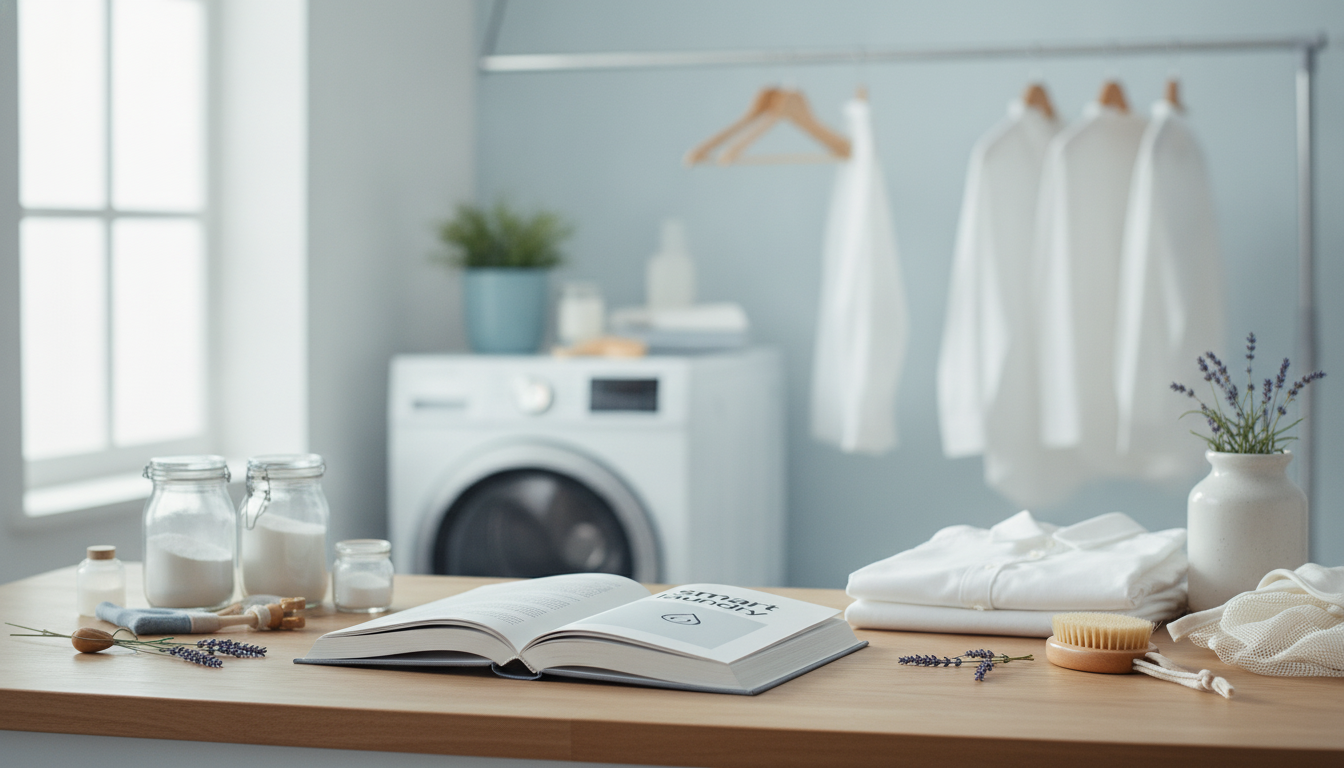
Small changes to sorting, washing, drying, and storage can dramatically reduce fading, stretching, pilling, and odor buildup—without adding extra steps. Use this practical routine to protect fabrics, streamline laundry day, and extend the life of everyday basics and favorite pieces. For more guidance, see Laundry Basics | The American Cleaning Institute (ACI).
A 30-second check before items hit the washer prevents most “mystery” damage—shrinkage, dullness, or stretched collars usually trace back to one skipped detail. For further reading, see The Ultimate Guide to Delicates | Delicate Fabrics Fabric Care.
Cleaning power isn’t just about the detergent brand—it’s the dose, temperature, and whether you’re leaving behind residue that attracts odor over time.
| Fabric / Item | Wash setting | Drying approach | Extra protection tip |
|---|---|---|---|
| Cotton tees & everyday cotton | Cold/cool, normal or gentle | Low/medium or line dry | Turn inside out to reduce fading |
| Dark denim | Cold, gentle, short cycle | Air dry or low heat | Wash less often; spot clean when possible |
| Athletic synthetics | Cold, gentle | Air dry or low heat | Avoid fabric softener; rinse well |
| Towels | Warm, normal | Medium heat | Skip softener to maintain absorbency |
| Wool/sweaters | Cold, wool/delicate | Flat dry | Use mesh bag; minimize spin |
Most fabric wear happens during agitation. The goal is to get items clean with the least rubbing possible.
Stains become “permanent” when they’re heated, oxidized, or pushed deeper into fibers. Quick, targeted treatment saves both fabric and time.
The dryer is convenient, but high heat is one of the fastest ways to age clothing—especially elastic blends, knits, and dark colors.
For sanitation and special cases (like handling laundry for someone who’s sick), follow evidence-based guidance such as the CDC’s laundry recommendations. For energy-saving defaults that also tend to be gentler on clothes, see ENERGY STAR’s laundry tips. For wool specifics, consult The Woolmark Company’s care guidance.
If you want a step-by-step routine, printable checklists, and quick-reference shortcuts for choosing settings, consider Smart Laundry: Preserve Fabrics, Save Time – A Practical Fabric Care Guide. It’s designed to reduce common laundry mistakes while keeping the weekly rhythm simple for busy households.
To keep your laundry area organized, small containers can help prevent clutter (and lost buttons, delicates bags, or stain tools). The Vintage Embossed Glass Storage Jar with Airtight Seal – 23.7 oz works well for keeping small essentials clean, visible, and within reach.
Overwashing increases abrasion, fading, and fiber breakdown. Wash based on soil and odor, and extend time between washes by airing items out, spot cleaning, and steaming when appropriate.
For everyday wear, modern detergents are formulated to work well in cold water, especially with proper dosing and the right cycle. Warm water can help with heavy body oils, and hot water is best reserved for label-safe items and special hygiene needs.
Pilling happens when loose fibers rub and tangle from friction during wear and washing. Reduce it by turning garments inside out, washing knits on gentle cycles, avoiding overloading, separating rough items (like towels), and using mesh bags.






Leave a comment