Some kids recharge in quiet, think before they speak, and prefer one close friend over a big group. That isn’t a problem to fix—it’s a temperament to understand. With the right support, introverted kids can build confidence, communicate their needs, and participate in school and social life without feeling pushed to “perform” their personality.
Introversion in children often shows up as a preference for lower-stimulation experiences—not a lack of social interest or capability. Many introverted kids enjoy people, but in smaller doses, with more predictability and less noise.
| Trait | What it often looks like | What helps most |
|---|---|---|
| Introversion | Chooses lower-stimulation settings; needs alone time to recharge; may be quiet in groups | Respectful downtime, predictable routines, gentle practice with choice and control |
| Shyness | Wants to join but hesitates; may cling at first; warms up with familiarity | Warm-up time, small-group entry points, low-pressure introductions |
| Social anxiety | Avoids due to fear of judgment; intense worry before events; physical symptoms (stomachaches, racing heart) | Support from a pediatrician or therapist, skills-based coping tools, gradual exposure with reassurance |
Confidence isn’t loudness. For an introverted child, real confidence often looks like self-trust: “I can handle this,” even when it’s uncomfortable.
Daily life is where introverted kids get the most practice—especially when home is a safe base and challenges are broken into manageable pieces.
For some families, it helps to store calming “tools” in one spot—books, fidgets, pencils, journal prompts, and a small snack. A simple container like the Vintage Embossed Glass Storage Jar with Airtight Seal – 23.7 oz can make it easier to keep a comfort routine consistent (especially when kids like to know exactly where things belong).
Many introverted kids do best when social time is predictable, limited, and meaningful—less “more friends,” more “right-fit friends.”
If you’re unsure whether your child’s distress is typical temperament or something more, reputable overviews of anxiety signs can help you notice patterns, such as the American Psychological Association (APA) guide to anxiety and the Child Mind Institute’s resource on social anxiety in children.
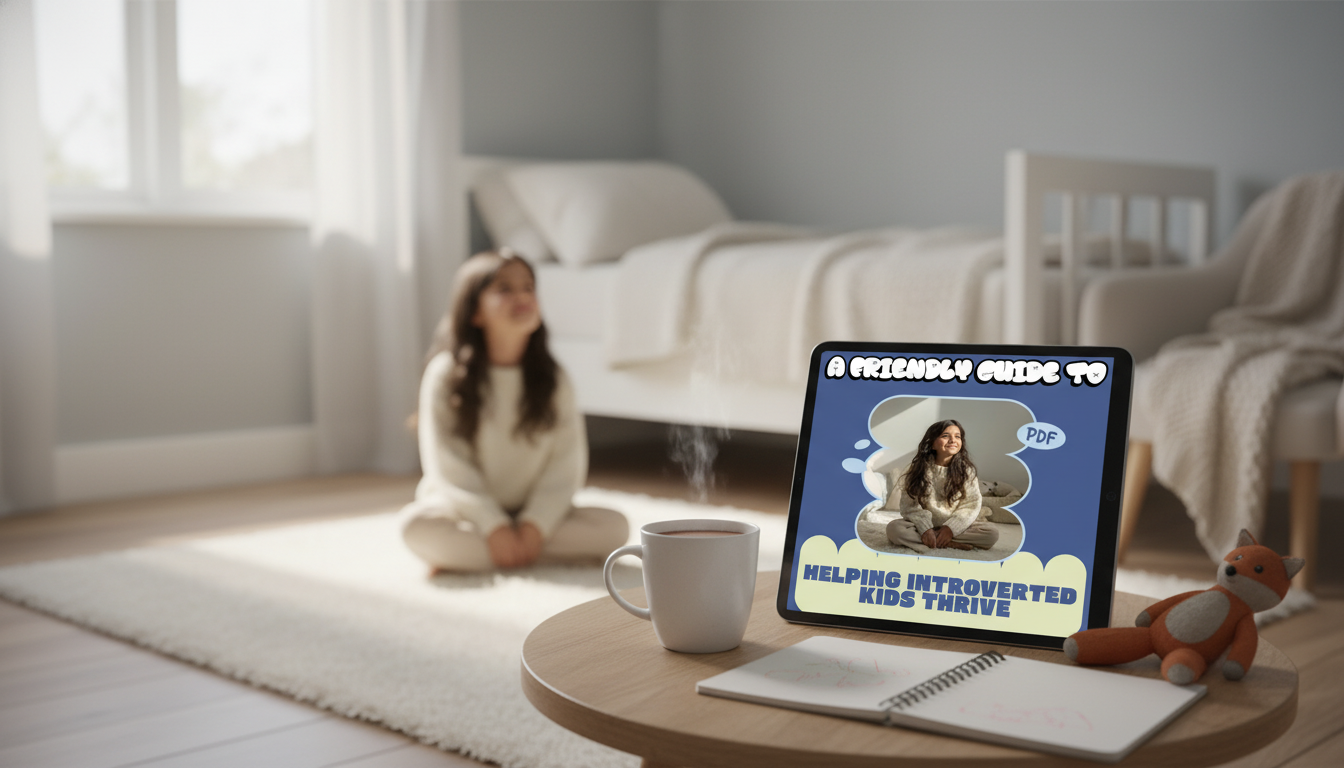
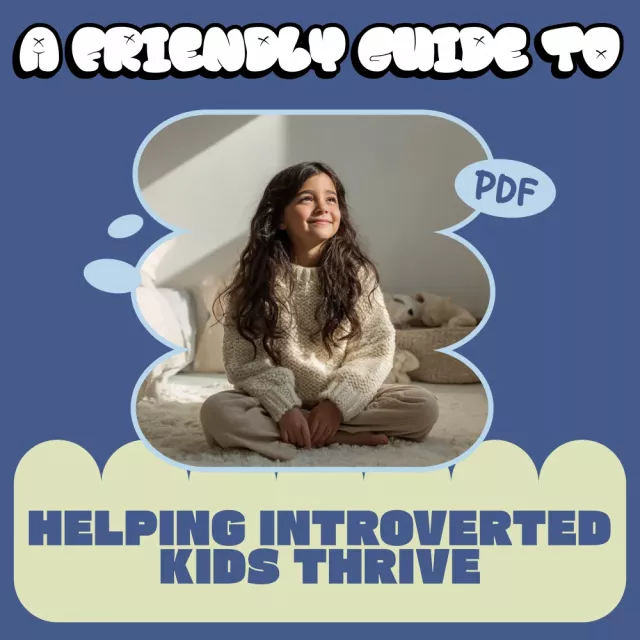
If you want a quick, actionable resource you can open before a birthday party, after a tough school day, or during a confidence dip, A Friendly Guide to Helping Introverted Kids Thrive – Practical Ebook focuses on respectful, real-life strategies that build skills without dismissing a child’s temperament.
| Item | Details |
|---|---|
| Title | A Friendly Guide to Helping Introverted Kids Thrive – Practical Ebook for Parents on how to help introverted kids Grow with Confidence |
| Format | Digital ebook |
| Price | $11.99 USD |
| Availability | In stock |
Yes. Confidence is self-trust and coping skills, not being the loudest person in the room. With small, gradual practice—like greeting someone, asking for help, or taking breaks when needed—kids can feel capable while staying true to their quiet temperament.
Introversion is about needing downtime to recharge, while social anxiety is driven by fear of judgment and often leads to avoidance, intense worry, or physical symptoms. If fear regularly interferes with school, friendships, or everyday activities, a pediatrician or child therapist can help clarify what’s going on.
Try short one-on-one playdates, structured activities (like crafts or building sets), and gentle warm-up time before expecting lots of conversation. Giving a child a small role and teaching simple conversation starters can also reduce pressure and make social moments feel clearer.





Leave a comment