
Tire valve stem caps do more than finish the look of your wheels—they help keep dirt, moisture, and road salt away from the valve core, supporting more consistent tire pressure over time. Whether you drive a Toyota sedan, a Ford truck, or a Honda crossover, a set of universal valve stem caps is an easy, low-cost way to protect a small part that plays a big role in everyday tire maintenance.
Below is a practical guide to what valve stem caps do, what “universal fit” usually means on common vehicles, and what to check for a secure, leak-free install that won’t damage your valve stem threads.
The valve stem is the gateway to your tire’s air chamber. When it’s exposed, the valve core area can collect grit and moisture that make pressure checks messier and can contribute to corrosion over time. A properly seated cap helps reduce that exposure.
Regular tire pressure checks are still essential. For broader tire safety guidance and maintenance basics, see NHTSA Tire Safety and this overview from Bridgestone on tire pressure.
Most passenger vehicles in the U.S. use the common Schrader-style valve stem with standardized cap threads. That’s why many caps are marketed as “universal”: they’re made to thread onto the standard stems found on a wide range of cars and light trucks.
| Check | What to look for | Why it matters |
|---|---|---|
| Valve type | Standard tire valve stem (Schrader-style) | Ensures caps thread on correctly |
| Threading feel | Smooth, straight threading by hand | Avoids cross-threading and stem damage |
| Seal/seat | Cap tightens to a gentle stop | Helps keep contaminants out |
| Driving conditions | Rain/snow/road salt exposure | Increases the value of corrosion protection |
| TPMS vehicles | Cap fits without interfering with sensor stem | Prevents accidental loosening or improper seating |
Valve stem caps are small, but the details matter—especially if you deal with winter roads, coastal air, or frequent car washes. The best choice is usually the one that installs smoothly, stays put, and resists the conditions your wheels live in.
For many drivers, the “win” is simple: fewer grimy valve stems, fewer stuck caps at the air pump, and a cleaner look across the entire wheel set—especially when all four caps match.
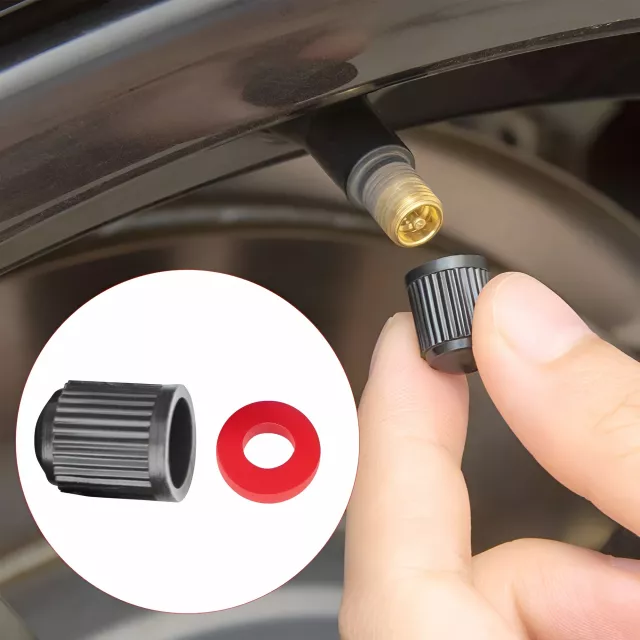
Installing new caps is one of the quickest wheel-related upgrades you can do. A careful hand-tightened fit is the goal; tools aren’t needed and can cause damage.
If you’re topping up air and notice the cap feels gritty or hard to turn, take a moment to clean the stem threads. That small step can help prevent the cap from seizing later—especially after a season of road salt or slush.
Caps can disappear, crack, or corrode—often without being noticed until you’re at the gas station air pump. Replacing them early is inexpensive and can help keep the valve core area cleaner.
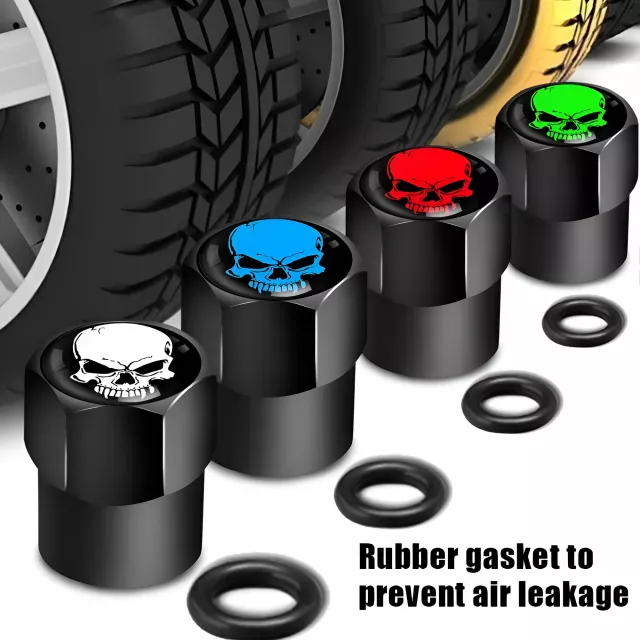
If you want a straightforward replacement set designed for common valve stem threading, Universal Car Tire Valve Stem Caps – Fits Toyota, Ford, Honda is a practical option for daily driving.
The primary air seal is made by the valve core, not the cap. A snug cap can act as a minor secondary barrier against dirt and moisture, but if you have a slow leak, check your tire pressure regularly and inspect the valve core and stem for damage.
Many TPMS-equipped vehicles still use standard valve stem threads, so caps typically fit normally. Make sure the cap seats without interference on the stem and avoid over-tightening so you don’t stress the threads.
Hand-tighten until it’s snug and comes to a gentle stop—no tools needed. Over-tightening can make removal difficult later and may contribute to thread damage.





Leave a comment