Some dogs treat the vet like a monster movie: trembling in the parking lot, refusing treats in the lobby, and panicking the moment the exam room door closes. The good news is that calmer appointments are often built through small, repeatable steps—before, during, and after the visit. Use the checklist approach below to reduce stress, support cooperative care, and help your dog learn that the clinic can be manageable (and even rewarding).
Big reactions often start as quiet signals. Catching the “early whispers” of stress helps you intervene before your dog tips into panic.
| When | What to do | Why it helps |
|---|---|---|
| 1–2 weeks before | Practice gentle handling (paws, ears, mouth) for 10–30 seconds, then treat; add a “chin rest” or “touch” cue | Builds cooperative care skills so exams feel predictable |
| 3–7 days before | Do happy car reps: short rides + high-value reward; visit clinic parking lot for a treat and leave | Reduces car-to-clinic association with fear |
| 24 hours before | Confirm clinic notes: request a quieter time, ask about waiting in car, share fear triggers | Lowers exposure to crowded, noisy conditions |
| Day of (morning) | Light exercise + sniff walk; feed lighter meal if your vet approves; pack treats and a familiar mat | Takes the edge off and increases motivation for rewards |
| At the clinic | Reward frequently for calm behaviors; ask for slow approaches and breaks; use non-slip towel on table | Prevents fear from escalating and helps the dog feel secure |
| After | Decompress: quiet time, enrichment at home, gentle praise; note what worked/what didn’t | Helps recovery and improves the next visit plan |
Practice doesn’t need to look like an “exam.” Think tiny, upbeat rehearsals that teach your dog what’s coming and how to earn rewards through it.
A “calm kit” turns your dog’s coping tools into something you can repeat every visit—same smells, same rewards, same comfort cues.
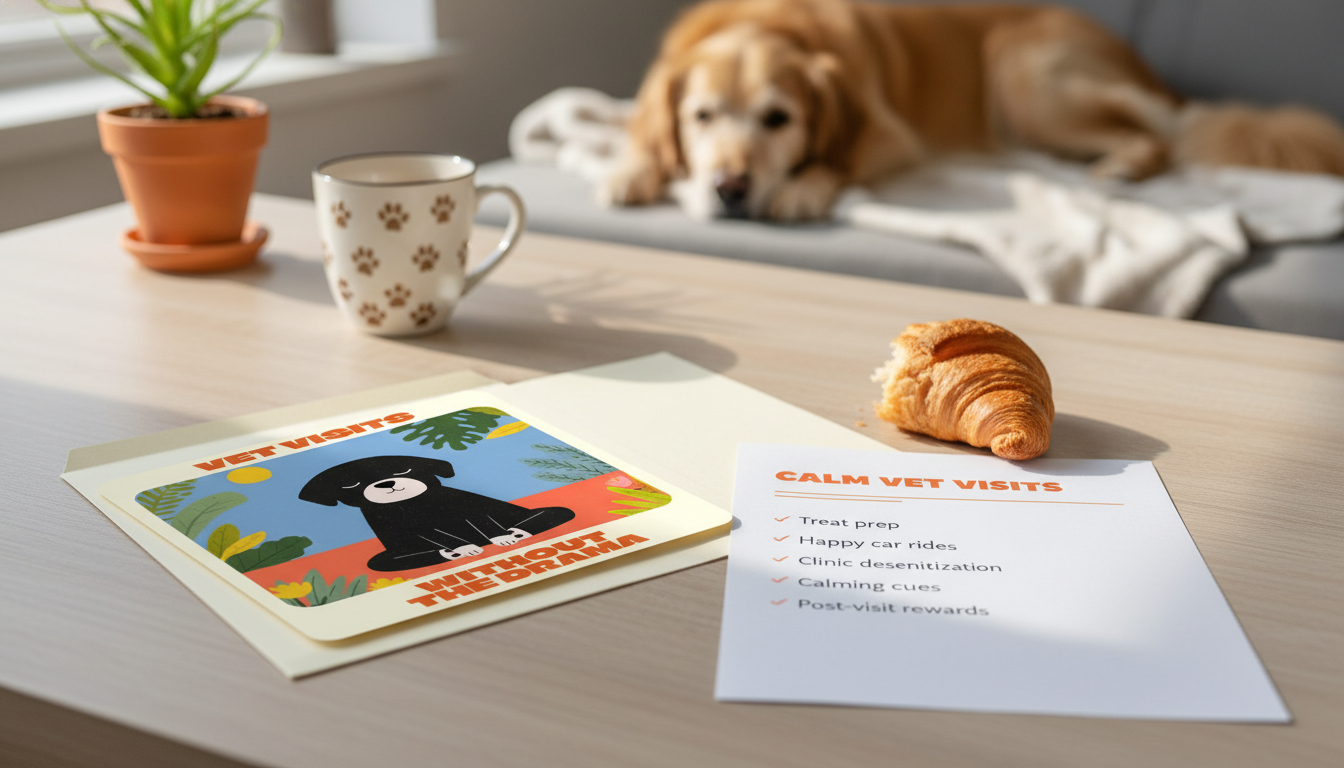
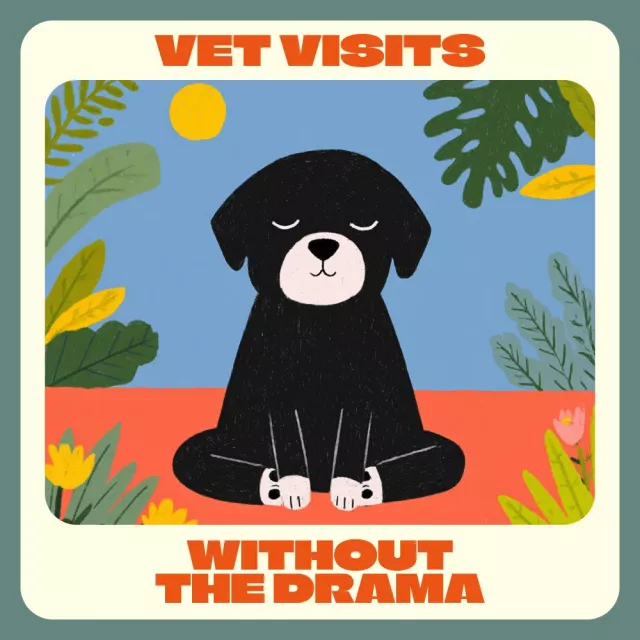
If you like having everything in one place, the Vet Visits Without the Drama printable checklist is a quick, repeatable reminder you can keep on your phone or print for the fridge.
For treat organization (especially if you rotate “special vet-only” rewards), a dedicated container can help keep things consistent—something like a vintage embossed glass storage jar with airtight seal can keep higher-value treats fresher and easy to grab on your way out the door.
For many nervous dogs, the car is the first “chapter” of the scary story. Improving the ride often improves the whole appointment.
For additional guidance on fear, anxiety, and stress in pets, resources like Fear Free Happy Homes can be a helpful starting point. For broader behavior and training information, the American Veterinary Medical Association (AVMA) also offers practical pet-owner resources.
Refusing treats usually means your dog is over threshold, not “being stubborn.” Try higher-value options (especially lickables), increase distance from triggers, use the car as a calmer reset zone, and ask the clinic about quieter scheduling; for intense fear, talk with your veterinarian about medication and behavior support.
A properly fitted muzzle can protect everyone and can actually reduce stress when it’s introduced positively ahead of time. Condition it at home with treats (never as punishment) and coordinate with your veterinary team so it’s used calmly and correctly.
Some dogs show progress in a few weeks, while others need months—especially if their fear is long-standing. Consistency matters most, and tracking a simple stress score helps you notice small wins like a calmer car ride or stepping onto the scale.




Leave a comment