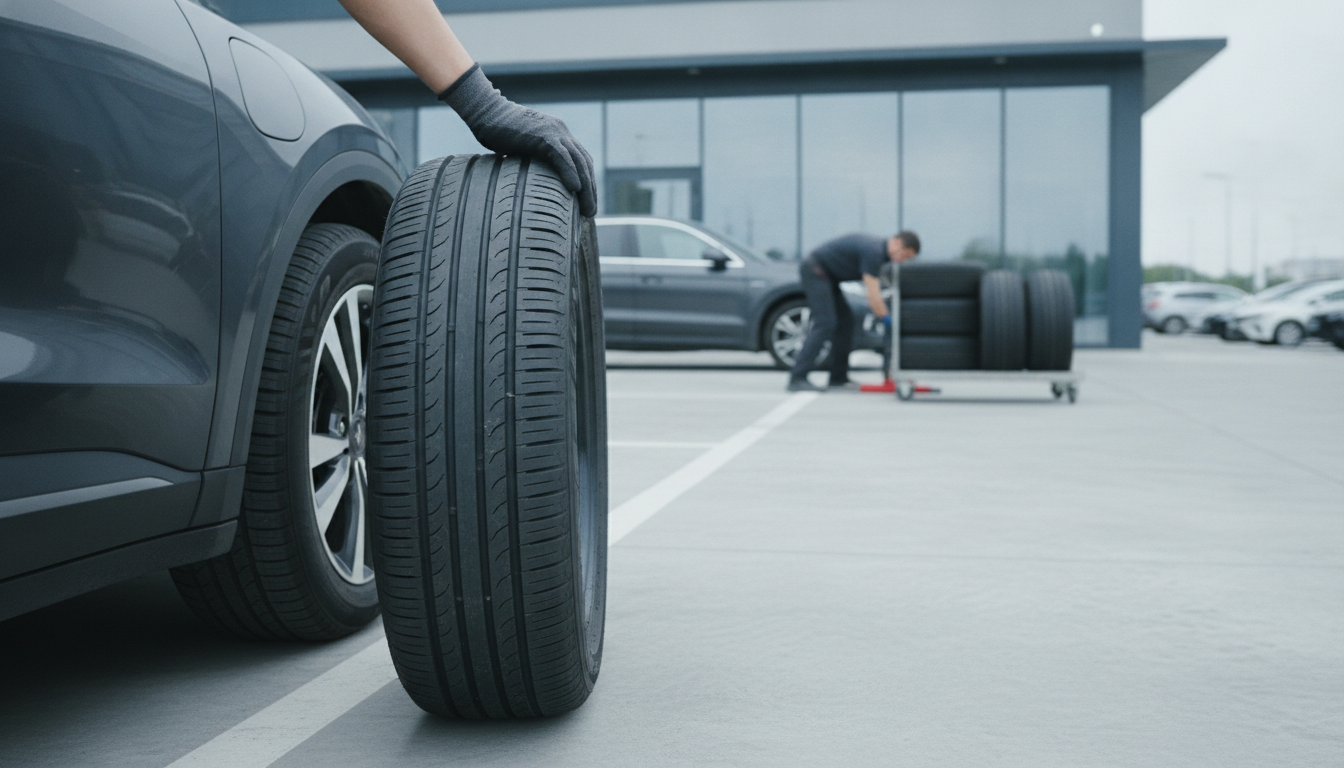
Universal tires typically cost anywhere from about $60 to $250+ per tire, depending on size, speed rating, brand tier, and whether the tire is built for everyday commuting, performance handling, or light off-road use. Smaller sizes for compact cars and older sedans tend to sit on the lower end, while larger wheels (18–22 inches), higher load ratings, or more specialized tread compounds push pricing upward quickly.
If the “universal” tire you’re considering is an all-season, budget-friendly option, a common real-world range is roughly $80–$140 per tire. Mid-range all-season or touring tires often land around $120–$200 per tire, and premium models can exceed $220 per tire before installation. For trucks and SUVs, expect the average to skew higher because of larger sizes and higher load requirements.
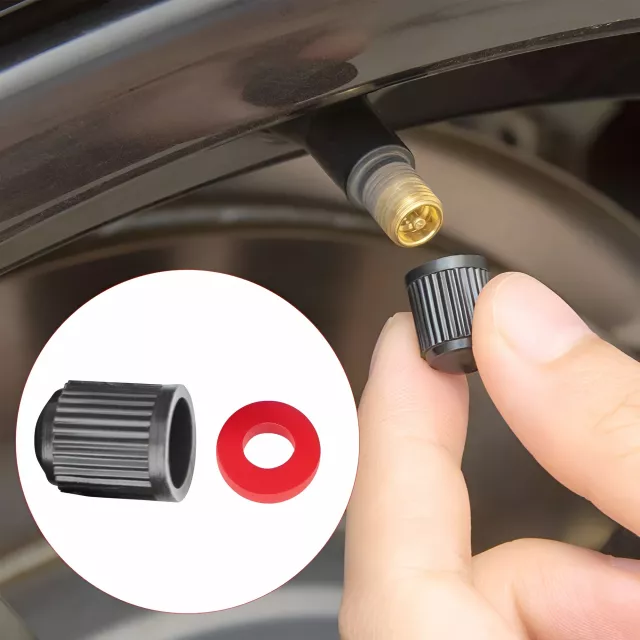
Many shoppers compare tire prices online and then get surprised at checkout. The tire itself is only part of the total. Installation commonly adds $20–$50 per tire and may include mounting, balancing, and disposal fees. Some shops also charge for valve stems or TPMS service kits; those parts are inexpensive, but they matter because they help keep air in the tire and protect the valve hardware from dirt and corrosion.
If you’re replacing or freshening up the small exterior pieces around your valves, you may want to review universal fit options for caps and related basics. See the full guide here: https://brillaria.com/guide-universal-valve-stem-caps-toyota-ford-honda/.
The biggest price drivers are tire size (diameter and width), brand tier, and performance specs. A higher speed rating, reinforced sidewalls, run-flat construction, or severe-snow-rated all-weather tread typically costs more. Warranty length can also nudge pricing up, especially on touring tires designed for long tread life.
For a quick estimate, multiply the per-tire price by four, then add installation and taxes. As a rough guideline, a budget set might land around $400–$650 out the door, mid-range around $650–$1,000, and premium sets can run $1,000–$1,600+ depending on vehicle and shop rates.
No. Tires must match your vehicle’s required size and load/speed ratings, so “universal” usually refers to broad availability and common fitments—not a one-size-fits-all product.





Leave a comment