
A “universal tire” typically means a tire marketed as broadly compatible across many vehicles or use cases, rather than designed for one specific make, model, or specialty purpose. In practice, it’s a shorthand way of saying the tire comes in common sizes and specifications that fit a wide range of cars, SUVs, or light trucks—so long as the size, load index, and speed rating match what the vehicle requires.
No tire is truly one-size-fits-all. Fitment still depends on the numbers and letters on the tire’s sidewall (such as width, aspect ratio, and wheel diameter), plus performance requirements like load capacity and speed rating. A tire can be “universal” in the sense that it’s a common all-season option offered in many sizes, but it won’t be safe or correct if it doesn’t match the specifications listed on the vehicle’s door jamb sticker or owner’s manual.
Sometimes “universal” is used loosely in automotive products to mean “widely compatible.” That works better for accessories than for tires. Tires have strict fit and safety requirements, and changing size or rating can affect handling, braking, fuel economy, and speedometer accuracy. So when a product listing or seller says “universal tire,” it’s smart to treat it as a starting point—not a guarantee of fit.
Confirm the exact tire size currently on the vehicle (for example, 205/55R16) or the recommended size on the vehicle placard. Then verify the load index and speed rating meet or exceed the recommendation. Finally, consider the tire type—summer, winter, all-season, touring, or performance—based on climate and driving needs. “Universal” usually implies an all-season, everyday-driving focus, not extreme winter traction or track-level grip.
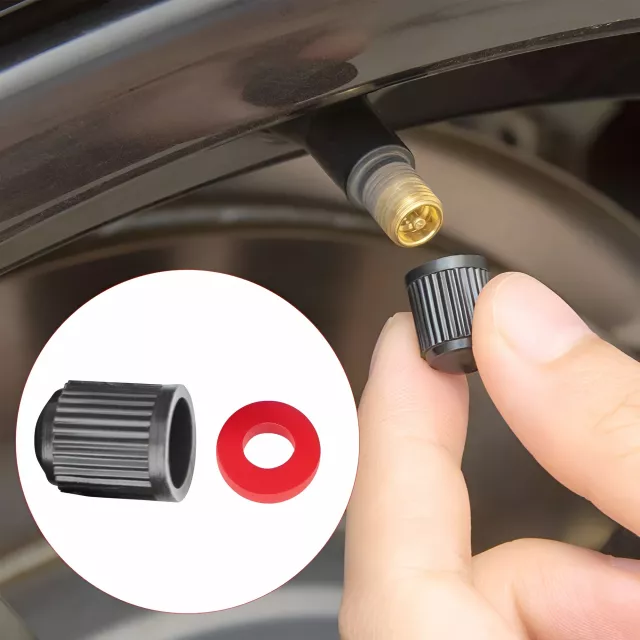
While tires aren’t truly universal, some small wheel accessories can be. For example, many valve stem caps are designed to fit the common Schrader valve found on most passenger vehicles. For details on compatibility and choosing the right style, see the guide here: https://brillaria.com/guide-universal-valve-stem-caps-toyota-ford-honda/.
Universal fit means the product is designed to work across many vehicles with the same standard interface, while vehicle-specific fit is engineered for a particular make/model and exact specifications. For tires, “universal” marketing still requires exact size and rating matching.






Leave a comment