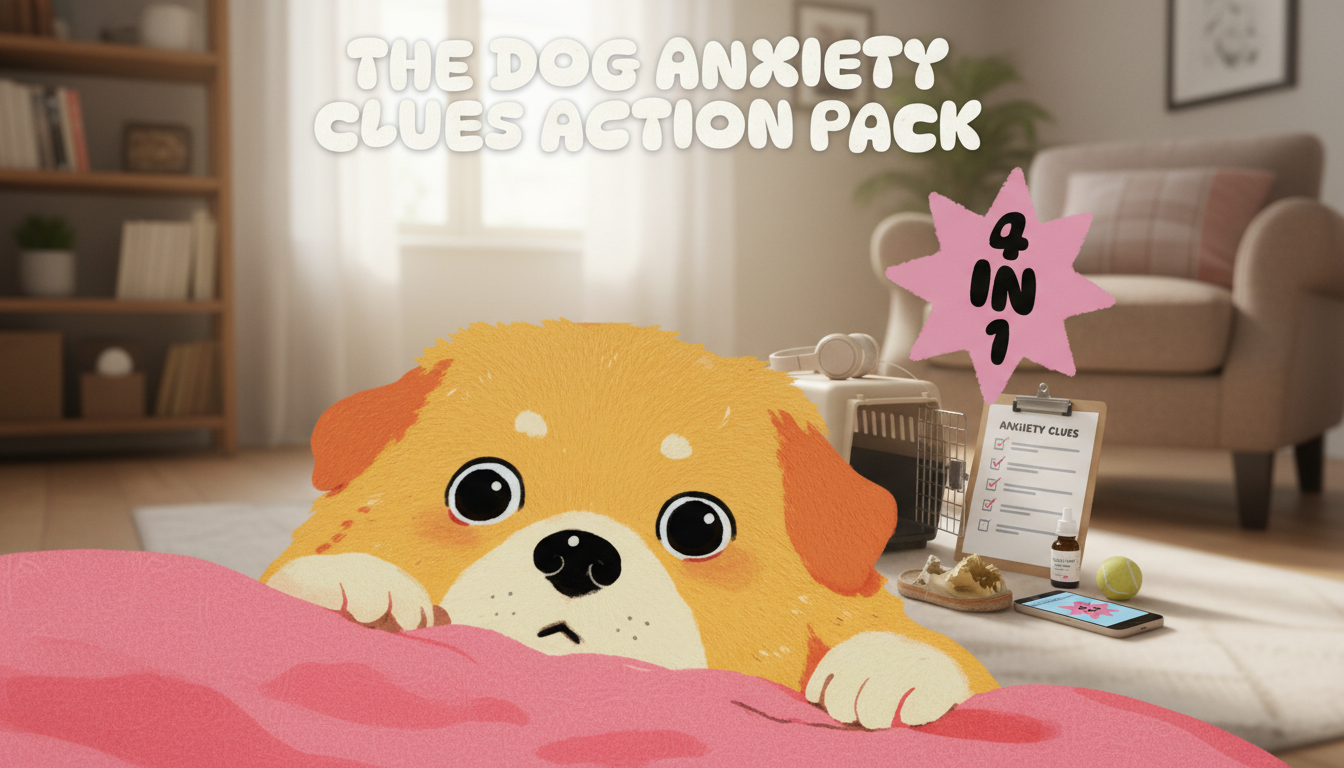
Getting rid of a dog’s anxiety usually means lowering stress triggers and teaching your dog predictable, safe routines. Start by identifying what sets the anxiety off (separation, loud noises, unfamiliar visitors, vet trips, car rides), then reduce exposure while you build coping skills. Most dogs improve with a mix of training, management, and—when needed—veterinary support.
Feed, walk, and rest around the same times daily. Consistency reduces uncertainty, which is a major driver of anxious behaviors like pacing, barking, and hiding.
Provide daily exercise suited to your dog’s age and health, plus short training sessions and enrichment (sniff walks, food puzzles, simple nose-work). Mental work can be as calming as physical activity.
Expose your dog to the trigger at a low intensity (for example, recorded thunder at a barely audible level) and pair it with high-value rewards. Slowly increase intensity only when your dog remains relaxed. Punishment can make anxiety worse.
Offer a quiet area away from commotion with familiar items and minimal foot traffic. For noise anxiety, add white noise and close curtains to reduce flashes and outside movement.
Some dogs benefit from pheromone diffusers, calming supplements, or prescription medications—especially when anxiety is severe, sudden, or leads to self-injury or destruction. A vet can also rule out pain or medical issues that mimic anxiety.
For a deeper, step-by-step guide and additional strategies, visit https://brillaria.com/how-do-you-get-rid-of-a-dog-s-anxiety/.
For How to Reduce a Dog’s Anxiety: Practical Steps, the best answer depends on fit, material, care instructions, and how the product will be used day to day.
Escalating anxiety often shows up as increased destructiveness, nonstop vocalizing, accidents indoors, refusal to eat, trembling, or attempts to escape. If symptoms intensify or appear suddenly, contact your veterinarian or a qualified behavior professional.






Leave a comment