
Potty training can feel unpredictable—some days progress is fast, and other days accidents and resistance take over. The right tools can turn that unpredictability into a plan you can actually follow. This digital bundle is designed to replace guesswork with clear steps, ready-to-use checklists, and flexible routines that support toddlers, caregivers, and busy schedules. Use it to plan a calm start, keep momentum through setbacks, and build consistent habits at home, daycare, and on the go.
If you’d like a single, structured resource that’s easy to reuse and share across caregivers, explore the AI-Powered Bundle for Potty Training Confidence – Digital Guides, eBooks, and Checklists.
This bundle works best for families who want consistency without turning potty training into a daily negotiation. It’s especially helpful for:
For readiness signs and age-appropriate expectations, guidance from pediatric sources like HealthyChildren.org (American Academy of Pediatrics) can be a useful reference alongside your day-to-day routine.
Confidence comes from knowing what to do next—especially when you’re tired, rushed, or facing a sudden setback. The bundle is built around small, repeatable actions that reduce pressure on both the adult and the child.
| Component | Purpose | Best time to use |
|---|---|---|
| Quick-start plan | Sets expectations, supplies, and a simple routine | Before day 1 and during the first 48 hours |
| Daily checklist | Keeps prompts, fluids, and bathroom trips consistent | Every training day |
| Accident response guide | Prevents shame and reduces repeated accidents | Immediately after accidents |
| Progress tracker | Identifies patterns and improvement areas | End of day / end of week |
| Outings & daycare checklist | Maintains consistency away from home | Before leaving home and during handoffs |
A calm, repeatable routine often works better than constant prompting or long “sit battles.” Try starting with a short setup phase and a realistic window for focused practice.
For broader training tips and common pitfalls, the Mayo Clinic potty training overview offers helpful context to pair with a day-by-day checklist approach.
Setbacks don’t mean potty training “failed.” They usually mean the routine needs to be simplified, the timing needs adjusting, or stress is creeping into the process. A consistent response helps children feel safe enough to keep trying.
Many families do everything “right” at home, then lose traction during handoffs. Consistency across adults matters more than perfection from any one person. A one-page summary (and a shared checklist) can prevent mixed messages.
If multiple caregivers need to stay aligned, a simple, repeatable checklist mindset can help in other routines too. Some families also like using digital checklists for everyday systems beyond potty training, such as the Snap It in Style: iPhone Outfit Photo Checklist – How to Take Outfit Photos with iPhone for quick, step-by-step consistency.
To get started, visit the AI-Powered Bundle for Potty Training Confidence – Digital Guides, eBooks, and Checklists and choose a start date that gives you breathing room for the first couple of days.
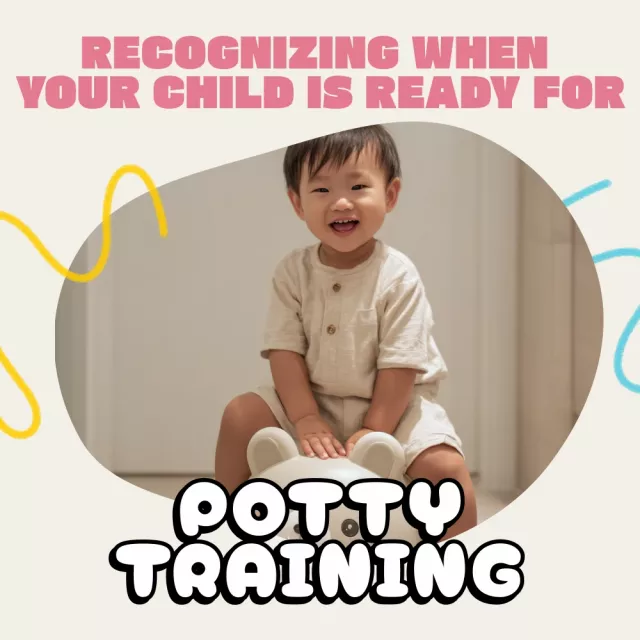
Most families use potty training resources successfully anywhere from about 18 months through 3+ years, depending on readiness. Look for signs like staying dry longer, showing interest in the bathroom, and following simple directions.
Some children pick up daytime basics in a few days, while consistent accident-free days and nap/night dryness can take weeks to months. Uneven progress and short regressions are common, especially around schedule changes.
Reduce pressure, offer controlled choices, keep sits brief, and stick to a predictable routine for several days. If refusal comes with pain, hard stools, or constipation concerns, consult your pediatrician for guidance.






Leave a comment