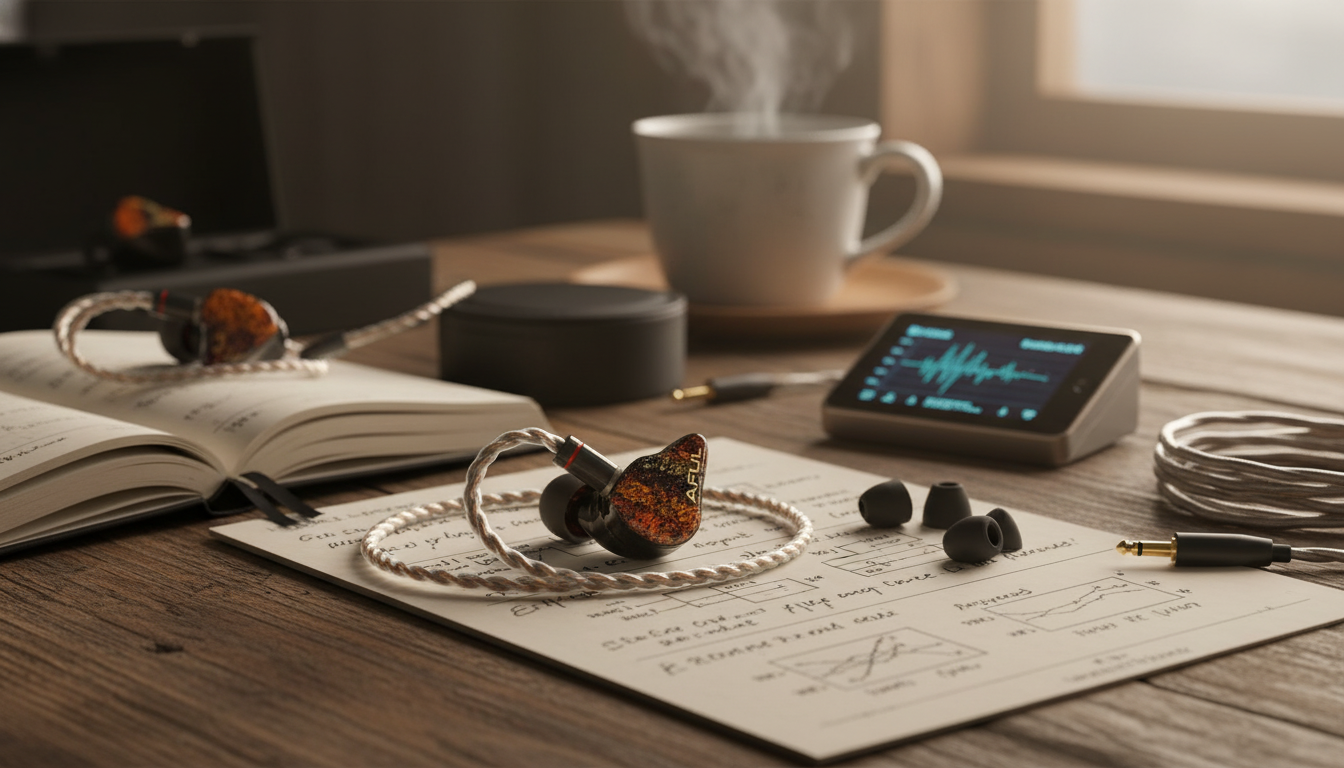
Hybrid in-ear monitors pair different driver types in one shell to balance deep bass, clear mids, and extended treble without losing portability. A well-tuned hybrid can feel like a “best of both worlds” setup: physical low-end slam for modern music, plus the speed and separation that help vocals and instruments stay distinct in busy mixes. The details come easily, but so do variables—fit, seal, tips, and source quality can change the presentation more than many listeners expect.
Below is a practical breakdown of how hybrid designs work, what to listen for in tuning, and how to keep performance consistent day to day.
In IEM terms, “hybrid” usually means multiple driver technologies working together inside one earpiece. The most common combination is a dynamic driver (DD) for bass plus balanced armature (BA) drivers for mids and treble, sometimes with an additional tweeter-style driver to extend the top end.
| Driver type | Typical strengths | Potential trade-offs | What to listen for |
|---|---|---|---|
| Dynamic (DD) | Sub-bass rumble, natural decay, impact | Can sound slower or thicker if overemphasized | Tight kick drum edges; bass notes distinct, not blended |
| Balanced Armature (BA) | Fast transients, clean mids, detail retrieval | Can sound dry or sharp if tuned aggressively | Vocal presence without glare; cymbals not splashy |
| Electrostatic / micro-planar / other tweeter | Air and extension, fine treble texture | May highlight sibilance if peaks exist | “Air” above vocals; treble shimmer without hiss |
Hybrids can be tuned in many ways, so the goal is matching the IEM’s balance to what you actually play—then verifying it stays coherent at everyday volumes.
With IEMs, fit is part of the tuning. A tiny leak changes the bass shelf, which can make the entire sound tilt brighter and thinner than intended.
Most hybrid IEMs get loud easily, but “easy to drive” is not the same as “easy to pair.” Multi-driver crossovers and high sensitivity can expose problems in noisy or high-impedance outputs.
For safer long-term listening habits, follow guidance from the NIOSH noise and hearing loss prevention resources and the World Health Organization safe listening recommendations.
If you like keeping spare tips and small audio accessories organized (and easy to find), a compact container like the Vintage Embossed Glass Storage Jar with Airtight Seal – 23.7 oz can help keep tips clean and dust-free between swaps.
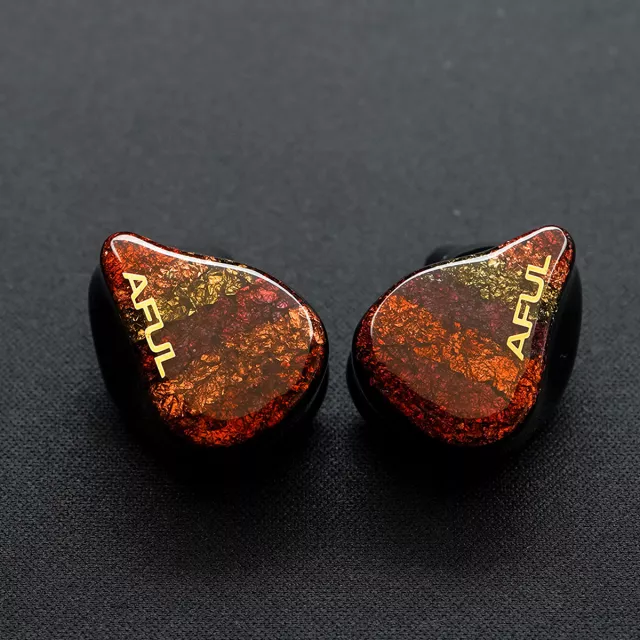
If you’re shopping for a hybrid built for full-range, high-resolution listening, Hybrid Audiophile IEMs are designed around the core appeal of the category: low-end authority paired with articulate mids and treble presence for separation and detail.
Most hybrids reach comfortable volume from phones or dongles, but a clean, low-noise source with low output impedance can reduce hiss and improve bass control. Pairing matters most with sensitive multi-driver sets where noisy outputs become obvious.
The most common cause is a lost seal or shallow insertion, which drops sub-bass and makes treble feel overemphasized. Try a larger tip size, switch tip material, re-seat the IEM with a deeper angle, and check that vents/nozzle screens aren’t blocked.
Silicone often preserves treble energy and a more open stage, while foam can increase isolation and warmth while smoothing treble. Choose the tip that gives the most consistent seal and comfort, and keep spares on hand for hygiene and performance.






Leave a comment