Tightness, dullness, flakes, and makeup that separates can all happen even when skin feels oily. That pattern often points to dehydration (a temporary lack of water in the skin) rather than dryness (a skin type that produces less oil). The most effective fixes combine smart barrier support, water-binding ingredients, and routines that stop hydration from evaporating. This guide breaks down how to spot dehydration, what commonly triggers it, and how to build a simple routine that delivers a comfortable, resilient glow—plus a checklist-style resource to keep the process consistent. For more guidance, see How to Fix Dehydrated Skin: Causes, Routine & Best Ingredients.
Hydration refers to water content in the outer layers of skin. Dehydration is when that water level drops—something that can happen to any skin type, including oily and acne-prone skin. Dry skin, on the other hand, is a skin type tied to lower oil production and often benefits from richer lipids (emollients) and more “sealing” ingredients (occlusives). For further reading, see Kicking off my new Skincare Diary series with a deep … – Instagram.
Dehydrated skin is a condition that can come and go with weather shifts, over-cleansing, harsh actives, travel, or illness. When the skin barrier is compromised, transepidermal water loss (TEWL) increases, and even a rich moisturizer can feel like it “disappears.” A reliable approach is simple: add water + bind water + seal water—while removing the triggers that keep stripping the barrier.
| Clue | More common with dehydration | More common with dryness |
|---|---|---|
| Skin feels tight after cleansing | Yes, especially with foaming cleansers | Sometimes, often persistent |
| Surface looks oily but feels tight underneath | Common | Less common |
| Fine lines look more noticeable by midday | Common (water-loss lines) | Possible (texture-related) |
| Flaking that improves quickly with humectants | Common | May improve but often returns without richer lipids |
| Itchiness and rough patches | Possible | Common |
For dermatologist-aligned basics on dry skin care and gentler habits, see the American Academy of Dermatology Association guidance on dry skin self-care. For a deeper look at what the “skin barrier” does and why it matters, the National Eczema Association overview of the skin barrier is a helpful reference.
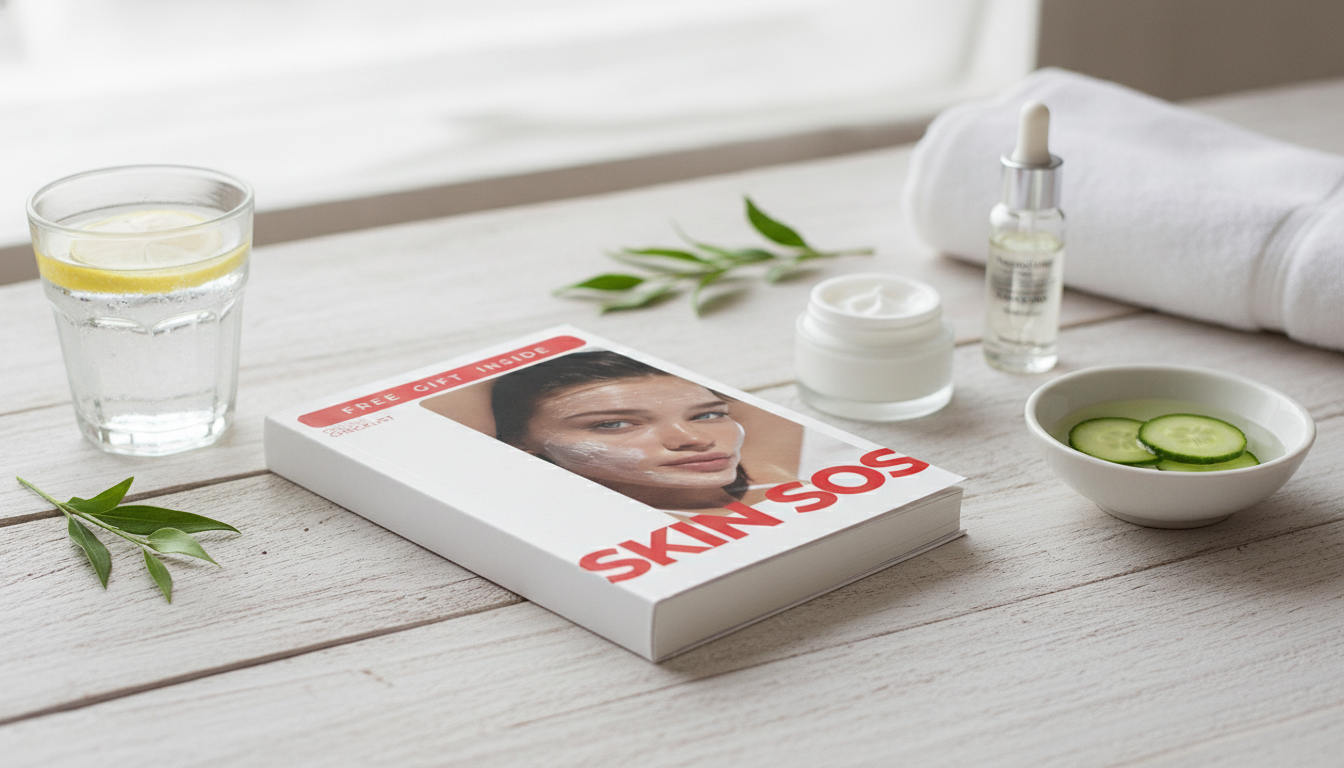
If you want a guided, printable approach with detection steps and routine fixes, use Skin SOS: Your Ultimate Guide to Hydration, Dehydration Detection & Skincare Fixes – eBook & Checklist for Glowing, Hydrated Skin.
To make progress easier to see over time, consider snapping consistent weekly photos using a simple repeatable setup like Snap It in Style: iPhone Outfit Photo Checklist – How to Take Outfit Photos with iPhone (the same “same light, same angle” method works well for skin tracking too).
Yes. Dehydration is about water loss, not a lack of oil, and skin may produce extra oil to compensate when the barrier is stressed. Focus on gentle cleansing, humectants, and a lightweight moisturizer to support hydration without feeling heavy.
Many people notice improved comfort in a few days, but fuller barrier recovery can take a couple of weeks (or longer if triggers continue). Consistency—daily moisturizing, sunscreen, and avoiding over-exfoliation—usually speeds results.
During tightness or stinging, it’s often best to pause or reduce exfoliation and prioritize hydration and barrier support. Once skin feels comfortable and stable, reintroduce gently and space out active nights to avoid repeating the flare.






Leave a comment