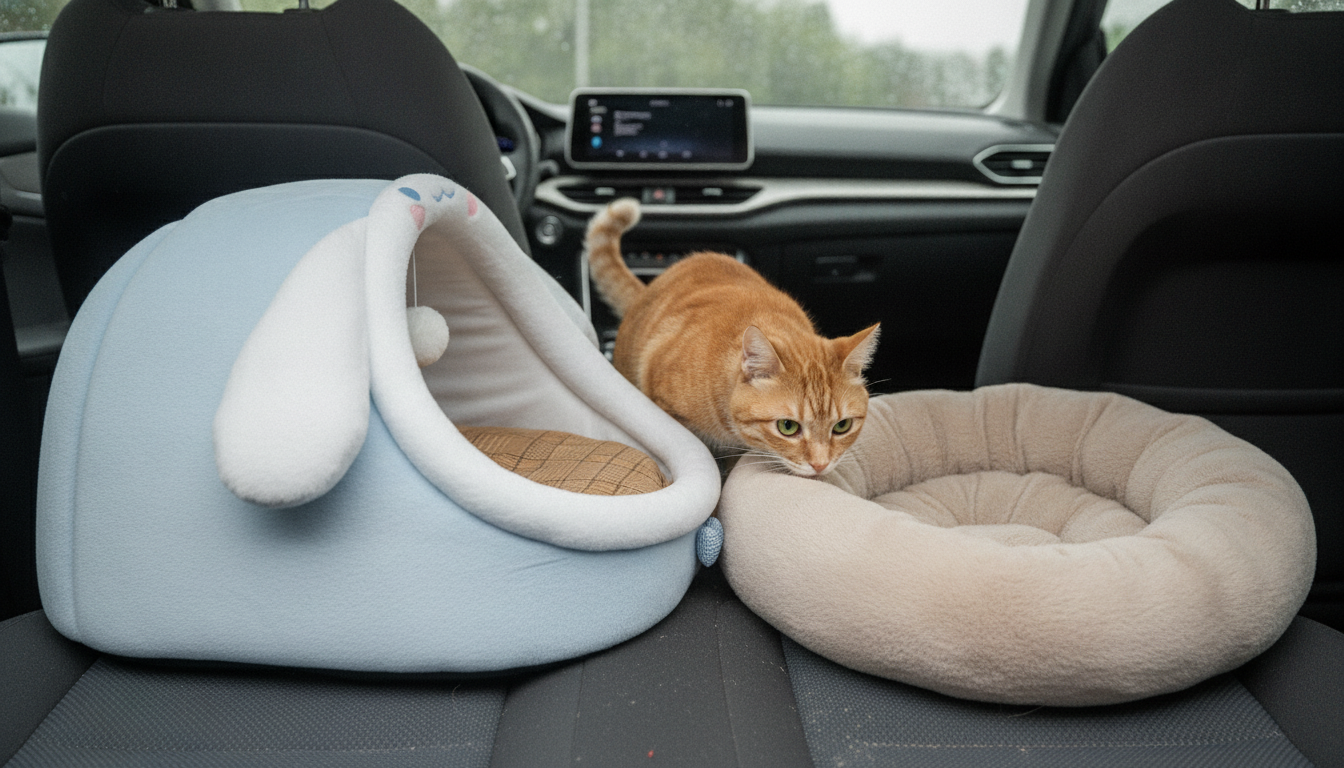
Cats don’t universally prefer open or closed beds; they choose based on how safe, warm, and in-control they feel in a given moment. Many cats rotate between both styles depending on the temperature, noise level, household activity, and their own mood.
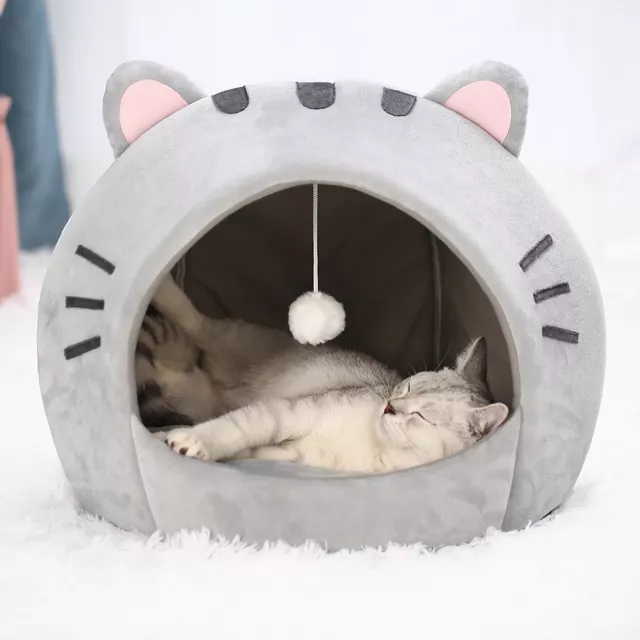
Closed (or partially covered) beds appeal to cats that crave a “den” feeling. The enclosed shape helps block drafts, muffles sudden sounds, and reduces visual stimulation—useful for shy cats, new adoptees, and multi-pet homes. A covered bed can also hold body heat better, which is attractive to kittens, seniors, and any cat that seeks warmth.
Open beds work well for confident cats that like to keep tabs on everything. With no roof or narrow opening, a cat can sprawl in different positions, hop out quickly, and stay aware of movement around the room. Open styles also tend to be cooler and more breathable, which can be more comfortable in warmer seasons or sunny spots.
Watch where your cat already naps. If they curl up in closets, under chairs, or behind furniture, they may lean toward a covered bed. If they sleep on couches, wide windowsills, or the center of the room, an open bed may win. Another clue is “entry behavior”: cats that pause, peer in, and then tuck themselves away often like a sheltered space; cats that flop down fast usually prefer easy access.
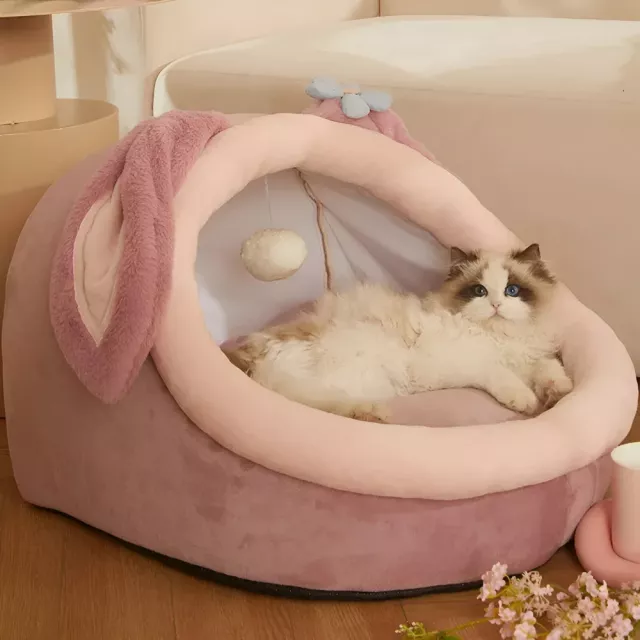
If you’re unsure, choose a bed that provides a slightly enclosed feel without being fully shut in—something with raised sides and a soft, nest-like interior. For a cozy, den-adjacent option that many cats find inviting, see the guide here: https://brillaria.com/guide-cozy-rabbit-ears-pet-bed-warm-basket-kittens-small-dogs/.
Put it in a quiet, low-traffic area with a clear view of the room, away from litter boxes and loud appliances. Many cats also use beds more consistently when they’re placed near a favorite nap spot, like a window or the end of a couch.





Leave a comment