
An NMES (neuromuscular electrical stimulation) foot massager can really work for the right goal: temporarily easing tired, achy feet and improving the “heavy legs” feeling by gently activating muscles. The sensation is different from kneading or rolling massage—NMES uses mild electrical pulses to trigger muscle contractions, which can help reduce stiffness and promote a refreshed feeling after long days on your feet.
That said, results vary. NMES isn’t a cure for underlying conditions, and it won’t “fix” structural problems like severe plantar fasciitis, fractures, or nerve damage. Think of it as a supportive tool: useful for day-to-day comfort, not a replacement for medical evaluation when pain is persistent, sharp, or worsening.
Most people who like NMES foot massagers report short-term benefits such as less tightness in the arches and calves, reduced foot fatigue, and a general loosening effect after 10–20 minutes. If you’re sitting for long periods, the rhythmic contractions can also feel like it “wakes up” the feet and lower legs. Consistent use tends to deliver more noticeable comfort than occasional use.
If the intensity is too low, you may barely feel anything; too high, it can be uncomfortable. Dry skin can also reduce conductivity, so some devices work better when the feet are slightly damp (following the manufacturer’s directions). Finally, expectations matter: NMES won’t replicate the deep pressure of air compression or shiatsu rollers, and it may not address swelling as effectively as a true compression-style massager.
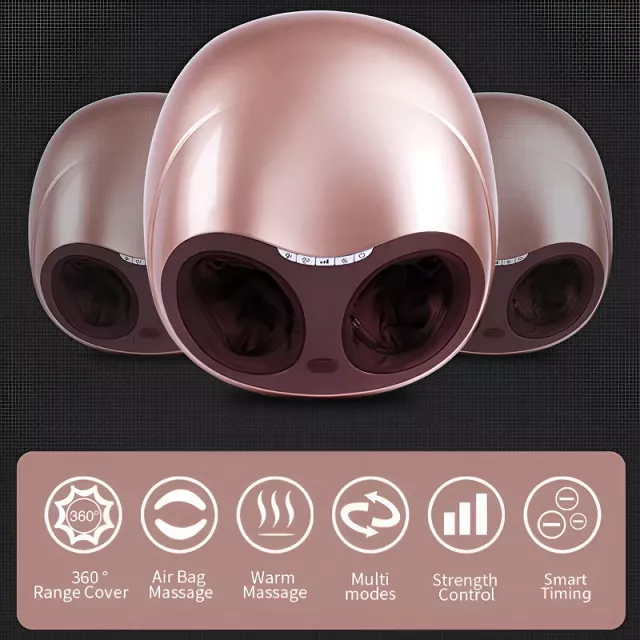
Use NMES when your feet are clean and relaxed, start at a low setting, and increase gradually until you feel a clear but comfortable contraction. Pairing NMES with heat or an air-wrapped foot massager can be a better match for soreness and circulation-focused relief. For a deeper breakdown of foot massager features (including air compression and heat), see this foot massager guide.
NMES isn’t recommended for people with pacemakers/implanted electronic devices, certain heart conditions, epilepsy, or during pregnancy unless cleared by a clinician. Avoid using it on broken skin, areas with reduced sensation, or if you have unexplained swelling or severe pain.




Leave a comment