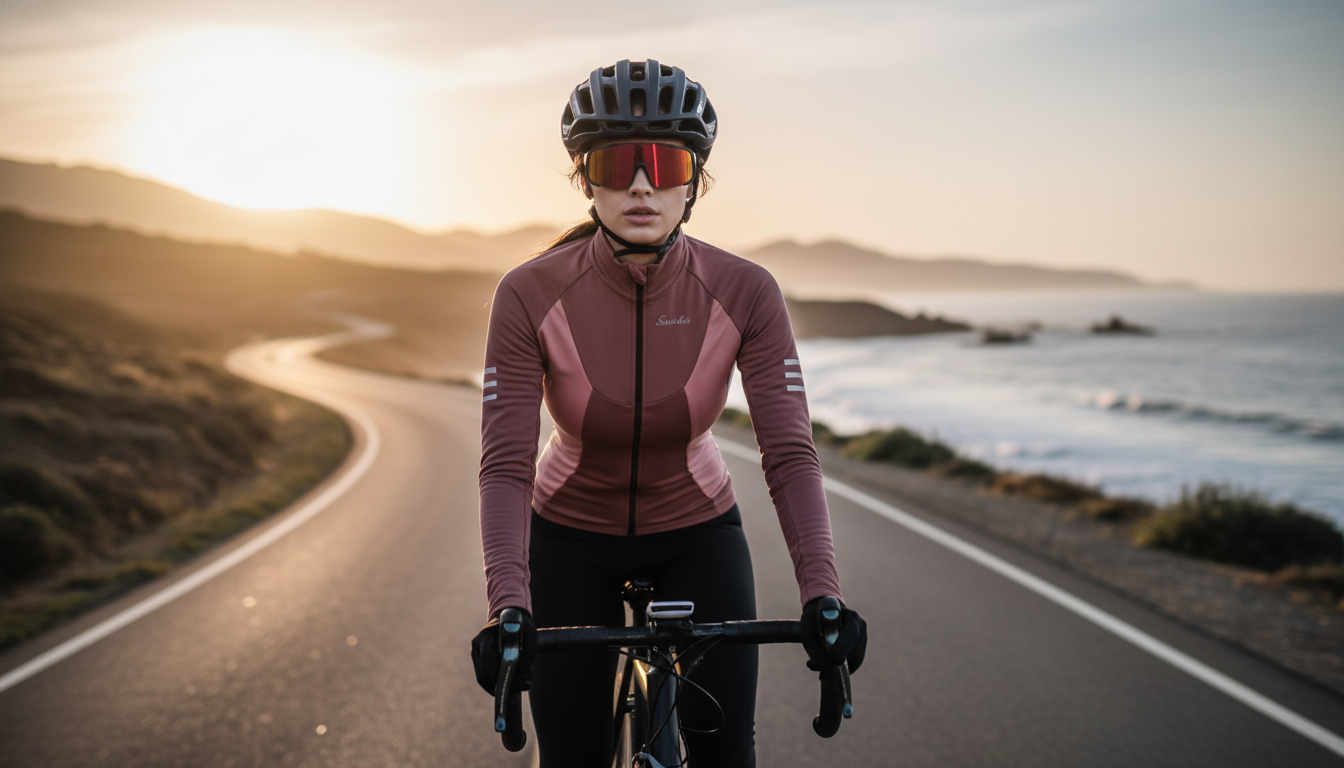
Cold-weather cycling is easiest when the outer layer blocks wind, holds warmth without feeling bulky, and stays visible in low light. This women’s winter cycling jacket combines a wind-resistant outer feel with a warm fleece interior and reflective accents for rides that start before sunrise, end after dark, or run through biting crosswinds. If winter miles are on the calendar—commutes, fitness loops, or long weekend base rides—choosing the right jacket helps keep effort steady and hands, core, and shoulders comfortable.
A winter cycling jacket has to handle more than just low temperatures. Wind, sweat management, mobility, and visibility all matter because speed and effort change constantly—especially when a climb turns into a chilly descent.
Wind is often the “hidden” factor that makes a ride feel colder than the thermometer suggests. Checking a wind chill chart before rolling out can help set expectations for layering and coverage—NOAA’s reference is a helpful baseline: NOAA National Weather Service Wind Chill Chart.
For most riders, the best winter jacket is the one that keeps the core warm while letting heat escape before sweat builds up. A fleece-lined interior helps trap warmth close to the body, while a wind-resistant outer face reduces the biting sensation that ramps up with speed.
| Ride conditions | Suggested layers under the jacket | Notes for comfort |
|---|---|---|
| Cool and breezy | Moisture-wicking base layer | Keep the front zip adjustable to avoid overheating on climbs |
| Cold with steady wind | Thermal base layer + thin midlayer | Prioritize a snug collar and wrist seal to reduce drafts |
| Very cold start, warming later | Thermal base layer + midlayer (removable if possible) | Start slightly cool; open the zip as effort increases |
Winter daylight is limited, and cloudy weather can flatten contrast even at midday. Reflective accents help drivers recognize motion and distance during dusk, dawn, fog, and night riding—especially when headlights hit the reflective areas.
For a quick refresher on safer riding practices around traffic, the NHTSA bicycle safety guidance is a solid resource for visibility, equipment, and roadway awareness.
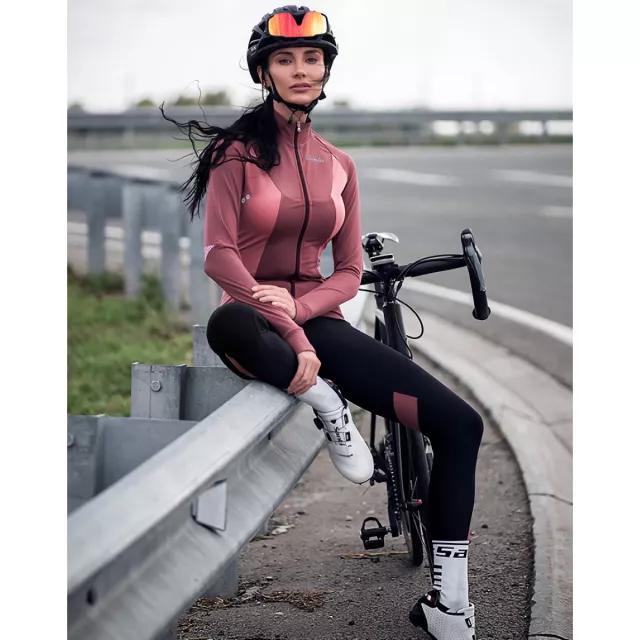
Warmth doesn’t help if the jacket restricts breathing or pulls across the shoulders when you reach the bars. A women’s-specific cut can reduce bunching at the waist and cut down on extra fabric that flaps in the wind—both of which matter when temperatures drop and you’re trying to stay relaxed.
| Check | Why it helps | Quick tip |
|---|---|---|
| Seal the neck and wrists | Cuts down wind entering the jacket | Add a thin neck gaiter if drafts are felt at the collar |
| Use lights plus reflectives | Improves visibility from multiple angles | Run a steady front light and a rear light even at dusk |
| Plan a venting strategy | Prevents sweat buildup that later turns cold | Open the zip slightly on climbs; close it on descents |
| Protect hands and feet | Cold extremities can end a ride early | Winter gloves and warmer socks often matter as much as the jacket |
It depends on intensity and what you wear underneath. For higher-effort rides, use a lighter base layer and regulate heat by adjusting the front zipper before you start sweating heavily.
No—reflectives help drivers recognize you, but they don’t project light. Use a front white light and a rear red light for night and low-light conditions, with reflectives as an added visibility boost.
Aim for a close-but-not-tight fit with room for a base layer and, when needed, a thin midlayer. You should have full shoulder mobility and enough back coverage in a riding position without excessive flapping.





Leave a comment