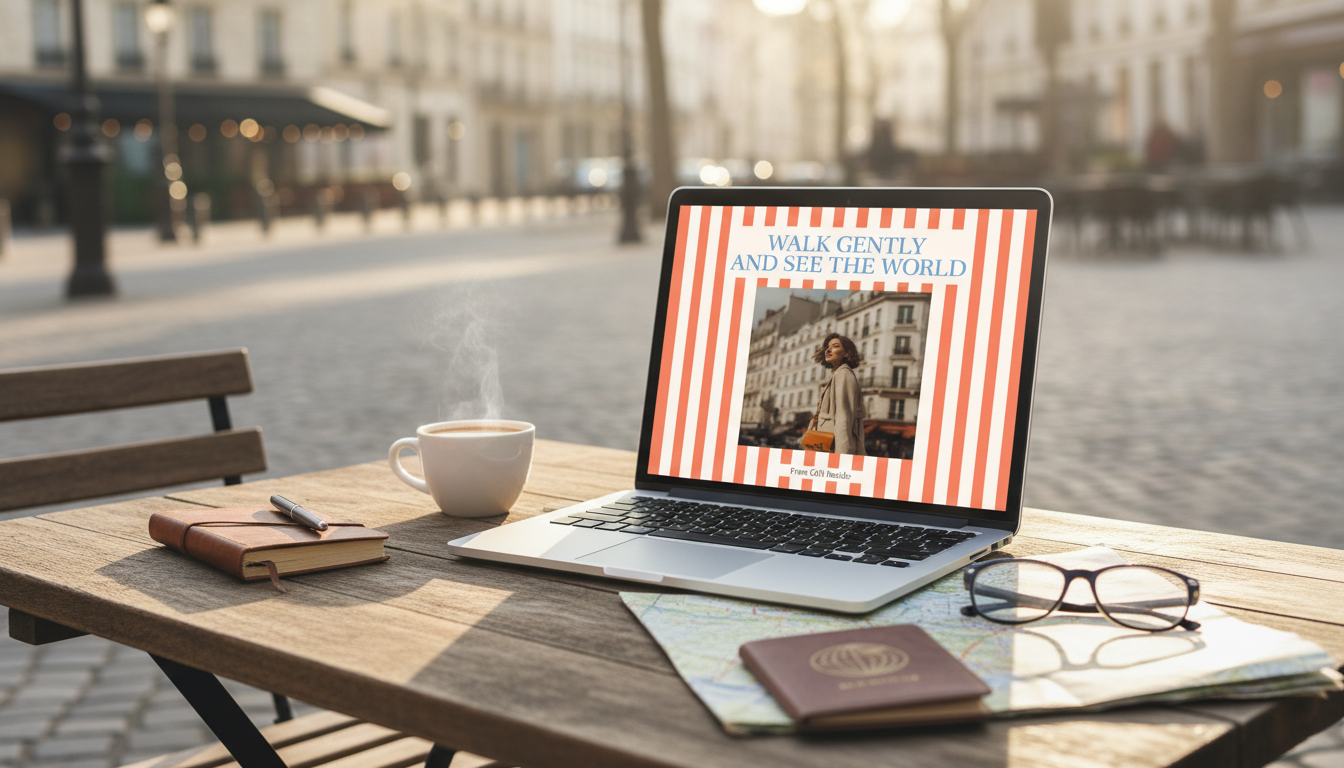
Meaningful travel is built on small, deliberate choices: how to greet, what to wear, when to take photos, and how to spend money in ways that support local communities. Respectful tourism isn’t about being “perfect”—it’s about noticing impact, staying teachable, and adjusting quickly when you realize a norm is different from home. Below is a practical set of cultural etiquette habits and a simple mindset for traveling with care, plus a digital ebook resource designed to help you prepare before you go.
Respectful travel starts long before the plane lands. A few minutes of preparation can prevent the most common missteps and help conversations begin on a better foot.
Ethical tourism principles are widely recognized by major global organizations; for a broader framework, the UNWTO Global Code of Ethics for Tourism is a helpful reference point.
When you’re moving through a new place, uncertainty is normal. Instead of powering through, use a quick routine that prioritizes safety, dignity, and the lowest-impact option.
| Situation | Pause & check | Lower-impact choice |
|---|---|---|
| Religious sites | Is there a dress code, shoe removal, or photo restriction? | Cover shoulders/knees, remove shoes if needed, skip flash/photography when uncertain |
| Markets & bargaining | Is bargaining expected here, and how firm do locals negotiate? | Keep tone friendly, accept “no,” avoid haggling over very small amounts |
| Homes & shared spaces | Are there customs around shoes, gifts, or where to sit? | Follow host cues, ask before entering rooms, keep common areas tidy |
| Public transit & queues | Is the culture more strict about lines or more fluid? | Give space, keep volume low, and defer to local norms without policing others |
| Food & dining | Are there norms for tipping, hand use, or finishing food? | Mirror the host/room, ask discreetly, avoid waste and strong judgments |
Photos can be a form of appreciation—or a form of extraction—depending on how they’re taken and shared. A consent-first approach keeps you on the respectful side of that line.
If you enjoy documenting outfits or daily looks while traveling, set up shots that don’t block sidewalks, disturb worship, or pressure bystanders into being background characters. For a simple, phone-friendly process, consider Snap It in Style: iPhone Outfit Photo Checklist – How to Take Outfit Photos with iPhone.
Where you spend is one of the most direct ways travel creates (or fails to create) benefits for the place you’re visiting. Thoughtful spending doesn’t require a perfect itinerary—just a few consistent preferences.
For additional context on sustainable approaches that protect cultural heritage, UNESCO’s sustainable tourism resources offer useful perspectives.
Fluency isn’t required to be respectful. A few intentional choices reduce confusion and communicate humility—even when you’re tired, jet-lagged, or navigating unfamiliar systems.
Preparation helps respectful intentions survive real-life travel moments: busy streets, crowded temples, tight schedules, and the pressure to “capture” everything. Walk Gently and See the World – digital ebook download is designed as a practical, calming guide you can use before and during a trip.
And while cultural etiquette is the focus here, practical planning also matters; the CDC Travelers’ Health hub is a reliable source for destination-specific health considerations.
Yes. It focuses on adaptable etiquette principles, a repeatable decision method, and preparation prompts that apply across many cultures.
It emphasizes curiosity, observation, and asking respectful questions rather than relying on rigid rules. It also encourages following local signage and guidance to stay grounded in the real context.
It’s a digital download that can be accessed on a phone, tablet, or laptop. It’s designed to be useful during planning and as a quick-reference resource while you’re on the go.







Leave a comment