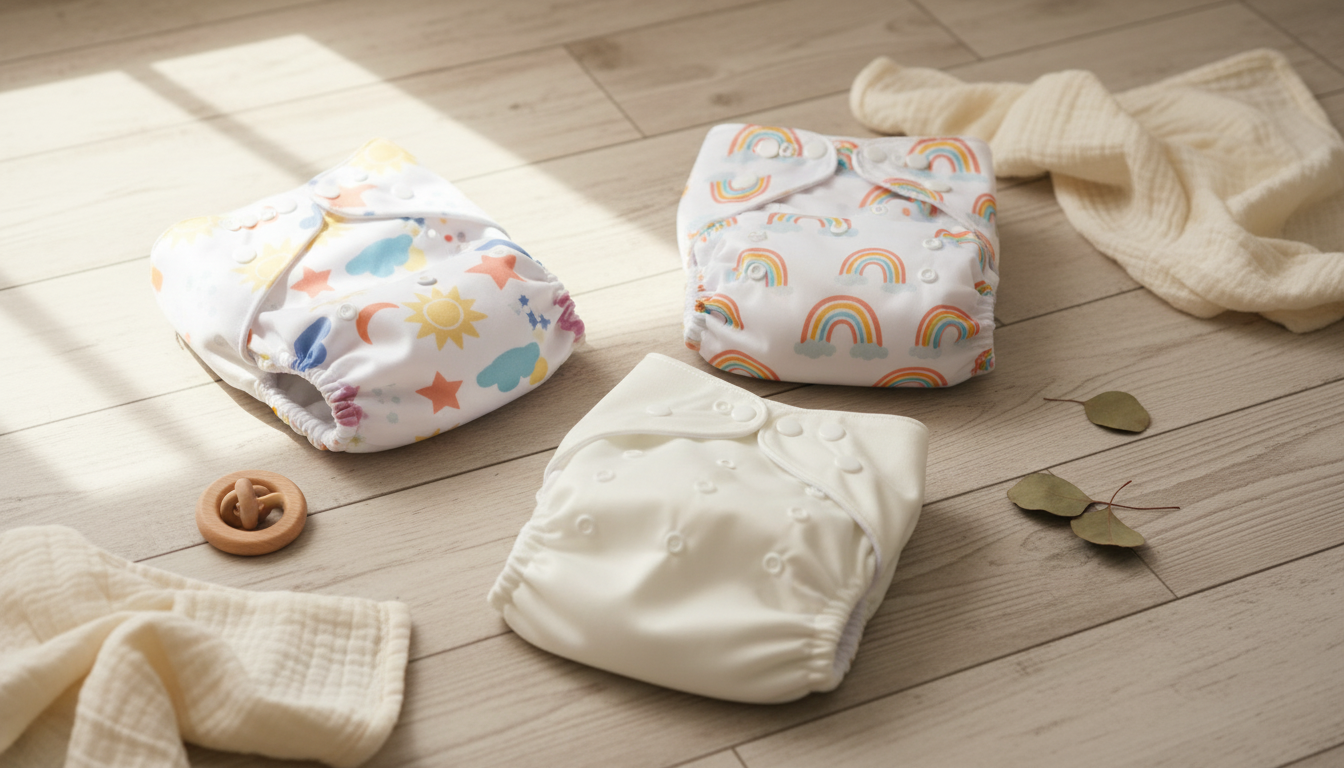
Reusable pocket diapers with a suede cloth lining are designed to keep babies comfortable while simplifying diaper changes and laundry. With adjustable sizing that fits approximately 6–33 lbs, a one-size pocket diaper can span multiple growth stages—making it a convenient choice for everyday routines at home or on the go.
A suede cloth pocket diaper combines a customizable absorbency system with an inner layer meant to feel drier against baby’s skin. The core features are straightforward, but they make day-to-day use easier once you understand how each part works.
For families looking to build a reliable routine, a pocket style is often appreciated because you can “pre-stuff” diapers ahead of time and grab them like you would a disposable during changes—especially helpful for busy mornings and caregivers.
Getting a great fit is mostly about setting the rise first, then fine-tuning the waist and legs. A one-size diaper can work across a broad range, but the smallest sizes benefit from careful snap choices and checking the leg seal.
| Fit point | What to look for | Common fix if it’s off |
|---|---|---|
| Rise height | Diaper isn’t sagging; back and front sit level | Snap to a smaller rise if sagging; larger rise if too short |
| Waist | Two-finger snug; tabs even | Tighten waist snaps or shift to a different snap setting |
| Legs | No gaps; gentle red marks fade quickly | Reduce rise or adjust tabs to improve seal |
| Insert placement | Insert lies flat; no bunching | Smooth insert, avoid folding at edges, don’t overstuff |
Comfort is more than softness—it’s also about staying dry, moving freely, and keeping irritation risk low. A suede cloth lining is commonly chosen for the “stay-dry” feel, especially for babies who are sensitive to feeling wet.
If redness shows up, evaluating timing (how long between changes), fit (any tight areas trapping moisture), and wash routine can make a bigger difference than switching diaper types. The American Academy of Pediatrics has a helpful overview of diaper rash causes and care basics at HealthyChildren.org.
One of the biggest advantages of pocket diapers is absorbency control. Instead of buying separate “day” and “night” diapers, you can adjust what’s inside based on the schedule and your baby’s habits.
Good hygiene habits also matter around diaper changes—especially when you’re out and about. The CDC’s handwashing guidance is a solid reference for everyday routines: CDC Clean Hands.
Choosing reusable options can also reduce household waste over time. For a broader look at reuse basics, the U.S. Environmental Protection Agency offers practical guidance: EPA: Reducing Waste.
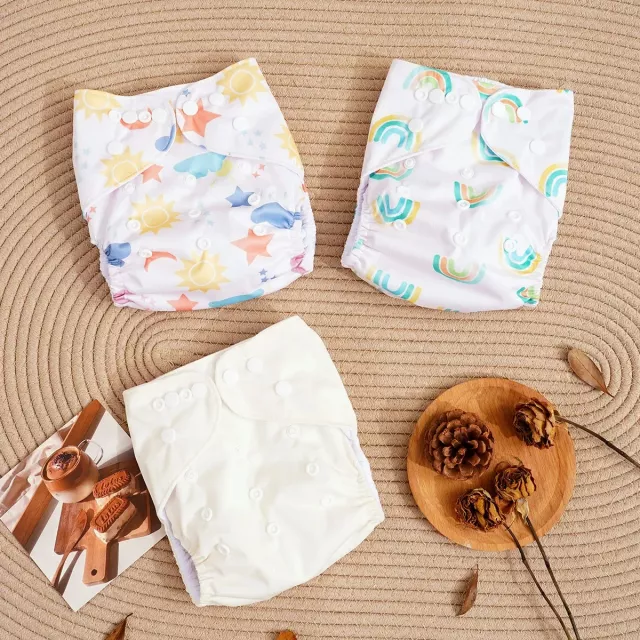
Reusable Adjustable Suede Cloth Pocket Diapers – One-Size for 6–33 lbs
| Attribute | Details |
|---|---|
| Price | $41.51 |
| Weight range | 6–33 lbs (one-size adjustable) |
| Style | Pocket diaper with suede cloth lining |
| Identifiers | MPN: 28268; SKU: 1 |
| Availability | In stock |
Keeping diaper essentials sorted can make changes faster (especially for caregivers). A simple storage container can help separate clean inserts, wipes, and diaper cream in one place: Vintage Embossed Glass Storage Jar with Airtight Seal – 23.7 oz.
It can, because both the rise and waist adjust to change the diaper’s height and circumference. Fit still depends on body shape, so checking rise settings and making sure the legs seal without gaps is especially important at the smallest sizes.
For daytime, many families start with a standard insert and change regularly. For naps or overnight, add absorbency gradually and watch for extra bulk that can cause leg gaps or compression leaks under snug pajamas.
Washing every 2–3 days works well for many households to prevent odors and keep fabrics clean. Separate inserts from shells, use a short pre-wash followed by a main wash, and rinse thoroughly so detergent residue doesn’t affect absorbency.






Leave a comment