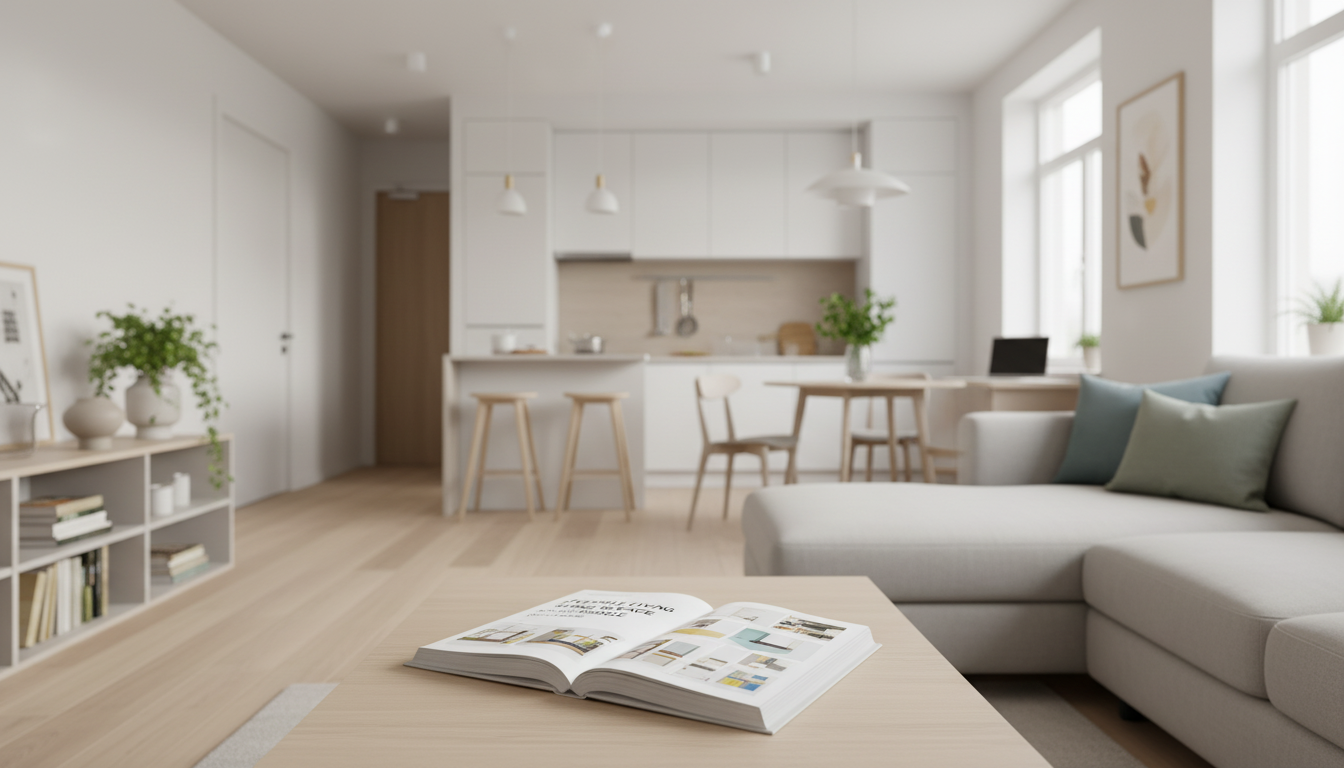
Multi-functional living is about making one footprint support many routines—work, rest, storage, hosting, and hobbies—without constant clutter or costly renovations. The goal isn’t to cram more furniture into a room; it’s to make the room easier to “switch modes” so it feels calm on a random Tuesday, not just after a deep clean.
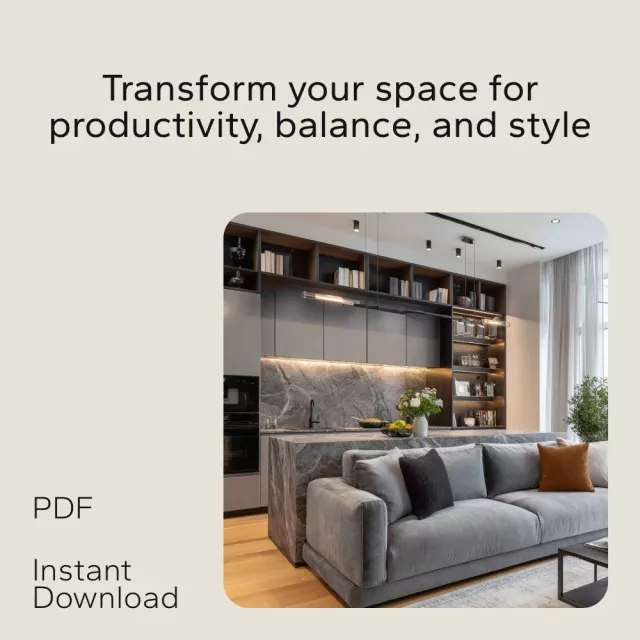
If you’re building a space that adapts, start with a system: simple zones, clear pathways, and storage that lives where you actually use it. For a guided, practical approach, The Flexible Living Space Bundle: 10-in-1 Guide to Multi-Functional Living Spaces is designed to help small and medium rooms feel more spacious, reset-friendly, and ready for real life.
Even a well-decorated room can feel stressful if it doesn’t tell you where things belong. Flexible layout planning works because it removes decision fatigue: you’re not “cleaning,” you’re returning items to their zone homes.
Comfort matters as much as function. For example, reducing echo with rugs and soft textiles can make a “work zone” feel distinct from a “rest zone,” and maintaining healthy airflow supports comfort—especially when using dividers or curtains (see the EPA’s guidance on indoor air quality).
Create a sleep zone using a divider (curtain track, shelving, or a screen) and keep bedding storage within arm’s reach. Pair a softer evening light near the bed with brighter, cooler light in the work zone to reinforce the switch. If sleep is a challenge, keep the sleep area visually quieter and consistent with basic routines recommended by the National Sleep Foundation.
| Element | Primary Benefit | Best For | Quick Tip |
|---|---|---|---|
| Room divider (curtain, screen, shelving) | Creates separation without construction | Studios, shared living rooms, sleep/work split | Keep it light and movable; ensure it doesn’t block airflow or pathways |
| Storage ottoman or bench | Adds seating + hidden storage | Entryways, living rooms, bedrooms | Store the items used in that zone to avoid “random storage” |
| Wall hooks + rail systems | Uses vertical space and speeds up resets | Entryways, kitchens, work zones | Group by activity (bags, coats, pet gear) rather than by person only |
| Rolling cart | Portable storage for supplies and tools | Crafting, bar cart, bath supplies, office overflow | Assign a “parking spot” so it doesn’t drift into pathways |
| Fold-down or compact desk | Creates a work zone with minimal footprint | Small apartments, guest rooms | Pair with a cable box/clip system to keep the area tidy |
For the containment side of the system, small sealed containers can make a big difference in kitchens, bathrooms, and craft areas. The Vintage Embossed Glass Storage Jar with Airtight Seal – 23.7 oz is a simple way to keep everyday items visible but controlled, so counters stay usable.
If your interior space is doing too many jobs because bulky gear has nowhere else to live, moving seasonal overflow outside can restore breathing room. The Sturdy 6×4 FT Metal Outdoor Storage Shed for Garden, Bike, and Tools helps relocate bikes, tools, and rarely used items so your living zones can stay focused.
For long-term flexibility, it can help to borrow ideas from universal design—spaces that work for changing needs over time. The NAHB overview of universal design is a useful reference when you’re choosing layouts that stay functional as life shifts.
For a structured, room-by-room plan you can actually follow, explore The Flexible Living Space Bundle: 10-in-1 Guide to Multi-Functional Living Spaces and build a setup that resets quickly and holds up to real routines.
A multi-functional living space is a room designed to support multiple activities by using clear zones, adaptable furniture, and storage systems that keep clutter contained. A common example is a living room that also includes a defined home office area.
Use curtains, screens, open shelving, rugs, lighting changes, and smart furniture placement to create visual boundaries. Keep the main walking path clear so the studio stays comfortable and easy to move through.
High-impact options include a storage ottoman or bench, a fold-down desk, a rolling cart, modular shelving, and a sofa bed. Prioritize ease of conversion and durability so the furniture actually gets used in both modes.




Leave a comment