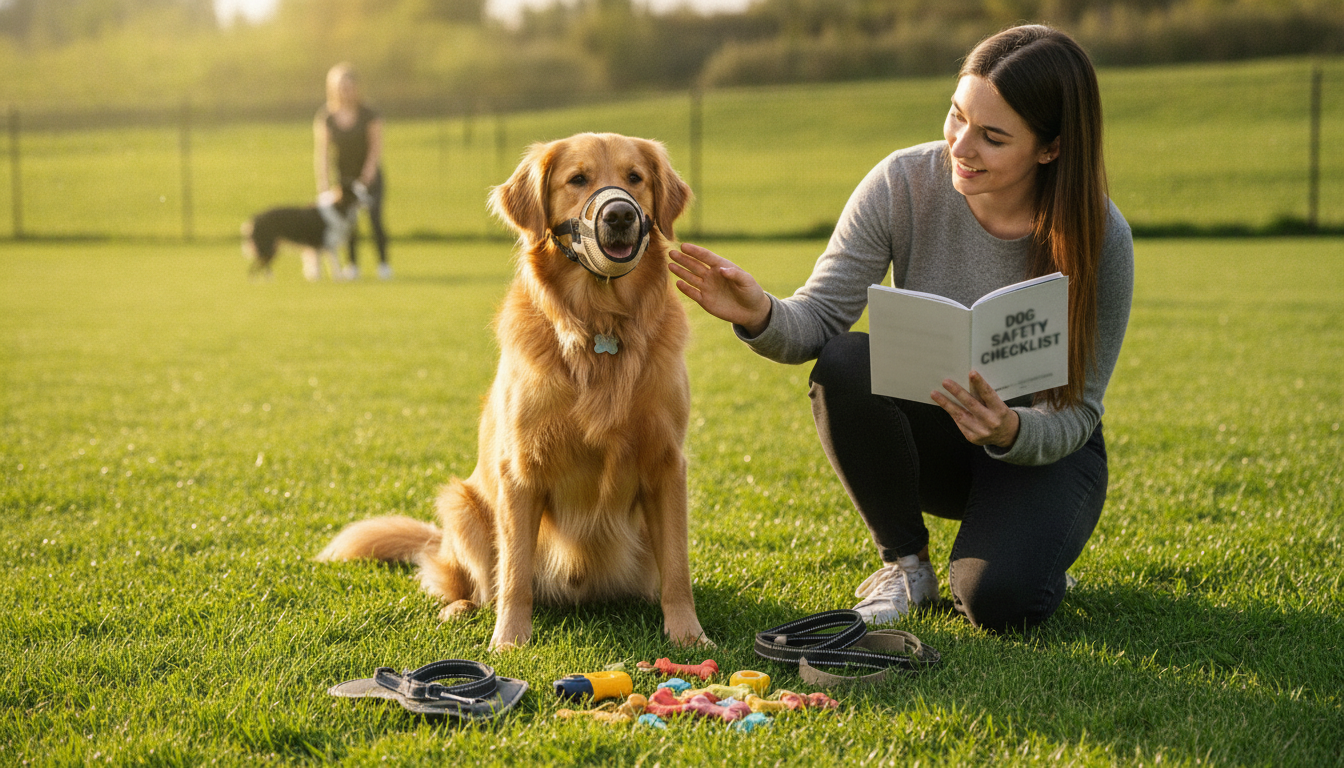
A muzzle can be a smart, temporary safety tool—not a label. The goal is to prevent bites, reduce stress in high-risk moments, and keep everyone safe while training and behavior plans move forward. Use the checklist below to decide when a muzzle is appropriate, what type to choose, and how to introduce it without escalating fear.
A muzzle is a safety barrier that reduces the chance of a bite during specific situations such as vet visits, grooming, crowded environments, or recovery from injury. It’s most useful when it’s part of a broader plan: thoughtful management, skill-building, and (when needed) help from a qualified professional.
A muzzle is not a substitute for behavior modification. It doesn’t change how a dog feels about a trigger—it simply lowers risk while you work on cooperative care, desensitization, counterconditioning, and safer routines.
Comfort matters. A properly chosen muzzle should allow safe breathing; for many scenarios, the ability to pant and drink is important for comfort and heat regulation. Muzzle use also doesn’t automatically mean a dog is “dangerous”—many dogs wear muzzles for medical, legal, or situational reasons.
Consider a muzzle when any of the following is true, especially if more than one applies:
| Situation | Muzzle helpful? | Other actions to pair with it |
|---|---|---|
| Vet exam, injections, or painful area touched | Often | Ask for fear-free handling, bring high-value treats, consider pre-visit meds if prescribed |
| Nail trims or grooming with past snapping | Often | Desensitization plan, shorter sessions, cooperative care training |
| Crowded public places or tight indoor corridors | Sometimes | Create distance, choose quieter routes, use a front-clip harness and clear communication |
| Dog-to-dog introductions with tension | Sometimes | Parallel walks, controlled setups, avoid on-leash greetings when uncertain |
| Post-surgery recovery or sudden pain | Often | Vet pain management, restrict handling, use cones/garments as needed |
| Eating dangerous items on walks | Sometimes | Manage environment, train cue-based skills, consider a basket-style option that allows panting |
The best muzzle is the one that matches your dog’s needs, the situation, and safe breathing requirements.
For bite-prevention guidance and safer interactions around dogs, review the American Veterinary Medical Association’s resource on dog bite prevention. For a practical overview of training steps, the American Kennel Club also offers helpful muzzle training guidance.
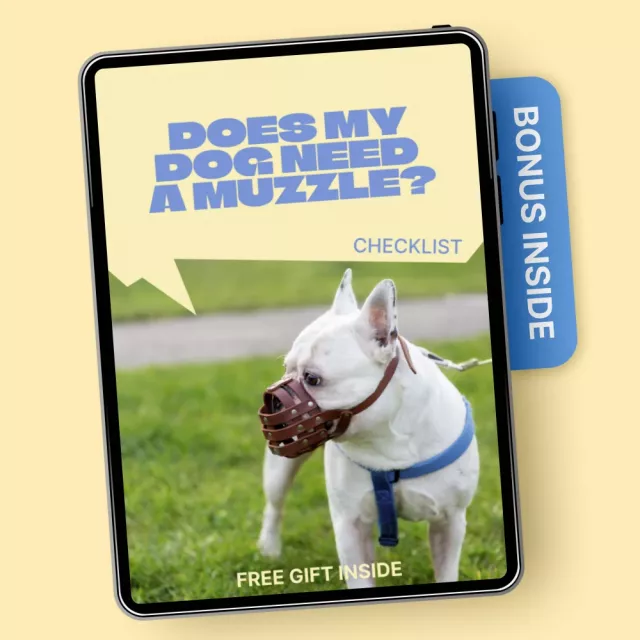
If you want a simple, print-friendly guide you can keep on your phone or share with family members, see Does My Dog Need a Muzzle – Practical Safety Checklist for Responsible Dog Owners.
For training sessions, having a dedicated container for high-value treats can make quick repetitions easier. If you like an airtight option for keeping treats fresh, consider the Vintage Embossed Glass Storage Jar with Airtight Seal – 23.7 oz.
A muzzle is a neutral tool; whether it feels stressful depends on the type, fit, and how it’s introduced. With a comfortable muzzle and gradual, reward-based training, many dogs learn to wear one calmly while you work on long-term behavior skills.
It depends on the muzzle design, your dog’s ability to pant and drink, the temperature, and close supervision. Start with short sessions, build duration gradually, and avoid leaving a muzzled dog unattended; for individualized guidance, consult your veterinarian or trainer.
Yes, preventive use can be appropriate when fear, pain, restraint, or unfamiliar handling could raise risk in the moment. Discuss handling options ahead of time and pair any muzzle use with cooperative care training so your dog becomes more comfortable over time.





Leave a comment