Checklist to Reduce Yowling in Cats: Practical Steps for a Calmer Home
Persistent yowling can signal anything from boredom and attention-seeking to pain, stress, or age-related confusion. A calm, consistent plan makes it easier to identify patterns, meet needs proactively, and reduce vocal outbursts without accidentally rewarding them. Use the checklist-style steps below to narrow down the cause and build quieter routines that support a happier cat.
Start with the essentials: what changed and when
Before changing routines, gather a simple “baseline” so the cause doesn’t get buried under multiple new variables. For 3–5 days, note what’s happening around each yowling episode.
- Timing: daytime, dusk/dawn, overnight, or right before meals.
- Triggers: closed doors, visitors, other pets, litter box use, picking up keys, cooking, or turning lights off.
- Recent changes: new food, schedule shift, moving, a new pet, construction noise, different litter, or rearranged furniture.
- The sound itself: long drawn-out yowl (distress/discomfort), short repeated meows (attention), loud calling (heat/territorial), or a sudden yelp (possible pain).
Rule out health and discomfort first
Behavior plans work best when pain and illness are not driving the noise. If yowling is sudden, intense, or paired with other symptoms, schedule a veterinary exam before focusing on training.
- Red flags: appetite change, weight loss, vomiting/diarrhea, hiding, limping, new aggression, increased thirst/urination, or litter box accidents.
- Common medical contributors: pain (arthritis or dental disease), hyperthyroidism, hypertension, urinary discomfort, gastrointestinal upset, and hearing/vision changes.
- Older cats: watch for cognitive dysfunction signs such as night pacing, disorientation, and an altered sleep-wake cycle.
For trusted cat health information, see the Cornell Feline Health Center and the AVMA cat care resources.
Meet core needs on a predictable daily schedule
Many cats yowl less when daily needs are predictable and easy to access. Consistency reduces anxiety, and small upgrades reduce “friction” that can lead to vocal protests.
- Meals: keep meal times consistent; split food into smaller portions to reduce hunger-driven yowling.
- Make eating work a little: add food puzzles or slow feeders to extend eating time and provide mental enrichment.
- Hydration: provide multiple water stations (or a fountain) to encourage drinking and reduce discomfort-related restlessness.
- Litter box comfort: scoop daily, refresh regularly, place boxes in quiet locations, and avoid strong fragrances.
- Multi-cat homes: provide enough resources (boxes, bowls, beds, scratching posts) so cats don’t feel they must compete.
Daily routine checklist and quick adjustments
| Routine area |
What to check |
Simple upgrade |
| Meals |
Yowling before feeding; gulping food |
Smaller meals + puzzle feeder |
| Play |
Yowling in the evening; zoomies |
10–15 minutes wand play before dinner |
| Litter box |
Yowling near box; avoiding box |
Add a box, change location, unscented litter |
| Attention |
Yowling when people are busy |
Scheduled 5-minute “hello” sessions |
| Resting spots |
Yowling at closed doors; seeking height |
Cat tree or window perch in main area |
Reduce stress triggers and friction in the environment
If your cat is yowling from insecurity, frustration, or social tension, the environment is often the fastest place to find relief.
- Create safe zones: set up at least one quiet room or elevated space where your cat won’t be interrupted.
- Add vertical territory: cat trees, shelves, and window perches help cats feel secure without “calling” for help.
- Protect scent comfort: keep familiar bedding and rotate blankets rather than replacing everything at once.
- Manage inter-cat tension: separate resources, feed in different areas, and ensure multiple escape routes.
- Calm the soundscape: reduce sudden noises and try soft background sound during predictable trigger times.
General cat care guidance is also available from the ASPCA Cat Care library.
Respond to yowling in a way that doesn’t reinforce it
Even well-meaning reactions can accidentally teach a cat that louder yowls get faster results. The goal is to meet needs proactively and reward calm behavior—not the outburst.
- Avoid accidental rewards: feeding, picking up, or opening doors immediately after yowling can train longer, louder vocalizing.
- Reinforce quiet: give attention, play, or a treat when your cat is calm or after a brief pause in vocalizing.
- Teach a replacement routine: use a consistent “play then settle” sequence (play session → small meal → calm petting/brush → rest).
- Plan attention on purpose: short, predictable “check-ins” help attention-seekers stop interrupting work or chores.
- Door-related yowling: practice short door closures and reward calm waiting away from the door.
Night yowling: a practical evening plan
Overnight yowling is often a mix of energy, habit, and (in seniors) confusion or discomfort. A structured evening routine reduces the odds of a 3 a.m. “concert.”
Track patterns and progress for 2 weeks
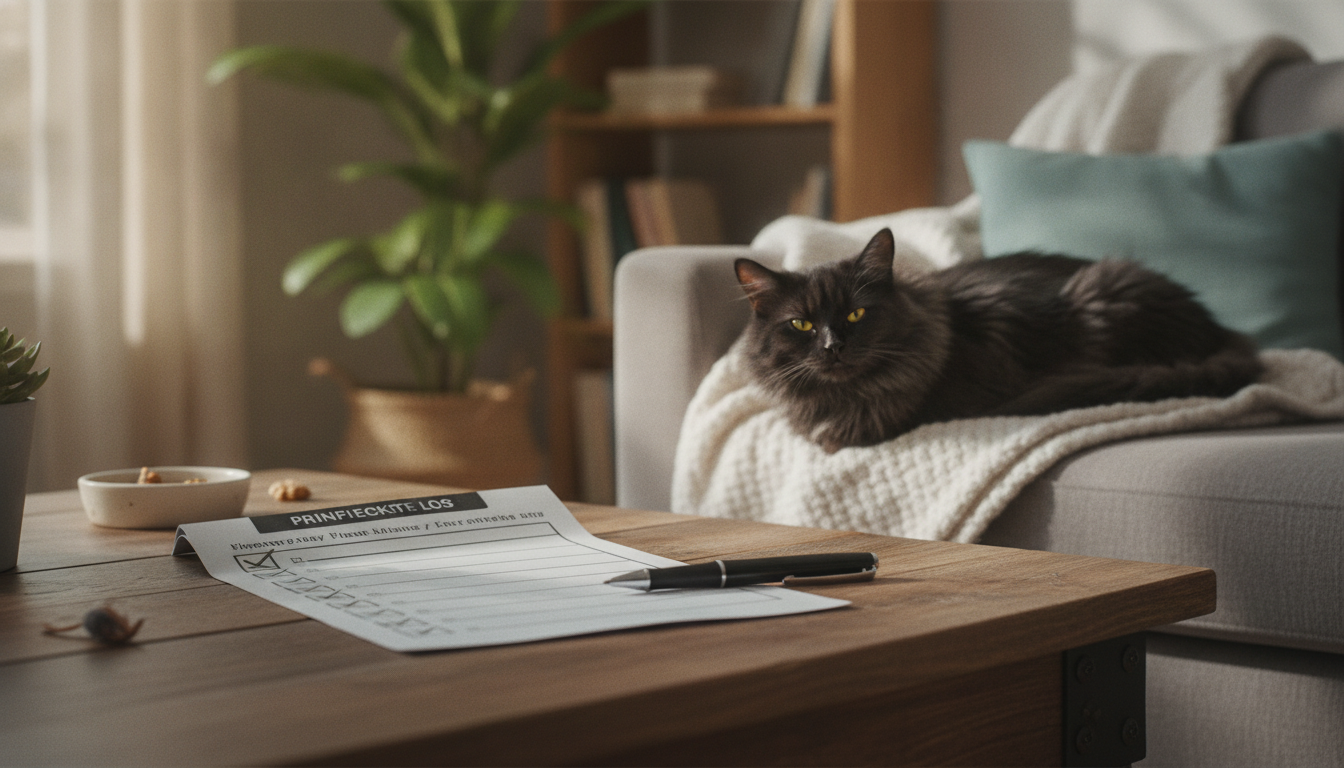
Printable checklist support for daily follow-through
Helpful tools to support your plan
FAQ
Why is my cat yowling at night even after eating?
Common reasons include pent-up energy, learned attention habits, stress, pain (including arthritis), or cognitive changes in senior cats. Try an evening “play then small meal” routine and keep nighttime access to water and the litter box easy; if it’s new or intense, schedule a vet visit.
Should yowling be ignored or addressed?
Rule out medical problems first, then avoid reinforcing yowling by responding during the outburst. Reward quiet behavior, build predictable routines, and teach a replacement sequence like play followed by settling.
When is yowling an emergency?
Seek immediate veterinary care for sudden continuous crying with trouble urinating/straining, collapse, open-mouth breathing, severe lethargy, suspected toxin exposure, or signs of acute pain.
Recommended for you






Leave a comment