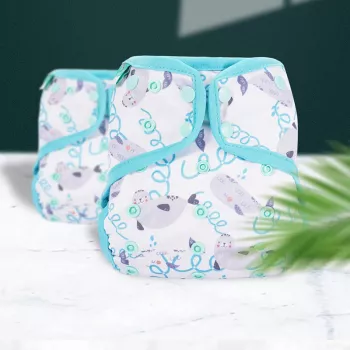
A reliable diaper cover can make newborn changes simpler—keeping leaks contained while staying gentle on delicate skin. A reusable cloth diaper cover is designed to be soft, washable, and easy to use with common cloth diapering setups, offering a practical alternative to single-use options. For families navigating frequent changes (day and night), a well-fitting cover helps you focus less on outfit swaps and more on keeping baby comfortable.
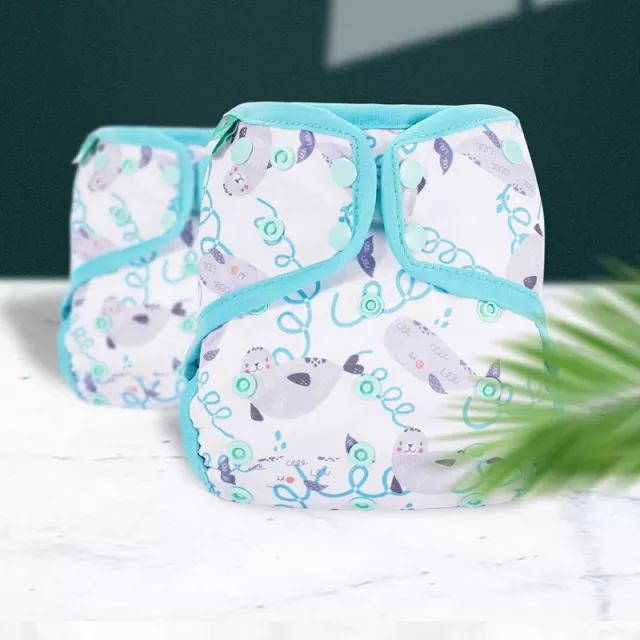
A newborn diaper cover is the outer layer that goes over absorbency. Unlike the inner diaper (the part that actually soaks up wetness), the cover’s job is to add a water-resistant barrier and a secure seal around common leak points.
Since newborn skin is delicate, dryness and quick changes matter. If irritation shows up, it can help to review diaper-rash basics and when to seek guidance; see the American Academy of Pediatrics guidance on diaper rash for practical tips.
Newborns wiggle constantly—kicking, stretching, and scrunching through feeds, naps, and tummy time. A cover that’s soft and flexible can make those early weeks feel easier, especially when baby spends a lot of time in sleepers or swaddles.
If you notice marks, aim to distinguish “snug and sealed” from “too tight.” Light impressions that fade quickly can be normal; deep red lines or persistent irritation usually signal it’s time to adjust sizing or fastening.
Reusable covers are made for repeat wear and wash cycles. The key is building a small rhythm: rotate covers, rinse when needed, and follow care directions so elastics and the protective layer keep performing.
| Topic | What to do | Why it helps |
|---|---|---|
| Pairing with absorbency | Place over a prefold/flat/fitted or insert system | Absorbency comes from the inner layer; the cover helps contain moisture |
| Between changes | Reuse if not soiled; wipe or air out when appropriate | Cuts down on laundry while staying practical |
| When to swap covers | Change immediately if poop gets on the cover or if it’s saturated | Helps avoid staining, odors, and irritation |
| Washing basics | Use a baby-safe detergent, avoid heavy buildup, rinse well | Supports skin comfort and fabric performance |
| Drying | Air-dry when possible; use gentle heat if allowed | Helps preserve the protective layer and elastics |
For newborns, changes happen fast—weight shifts, umbilical stump healing, and growth spurts can all affect fit week to week. If rash or irritation is a concern, resources like the NHS overview of nappy rash can help you spot common triggers and care steps.
For a broader perspective on waste and materials, the U.S. Environmental Protection Agency’s materials and waste data is a helpful reference point when comparing single-use and reusable habits.
Yes. Diaper covers are typically worn over an absorbent layer like prefolds, flats, or fitted diapers, providing an outer barrier that helps improve leak containment.
A small rotation is useful because newborns need frequent changes. Many families reuse a cover if it stays clean and swap immediately when it’s soiled, then wash covers as part of a regular laundry routine.
Aim for a snug seal at the legs and waist without deep marks. Make sure the leg openings are aligned in the underwear line area and avoid over-bulking the inside, which can create gaps that lead to leaks.




Leave a comment