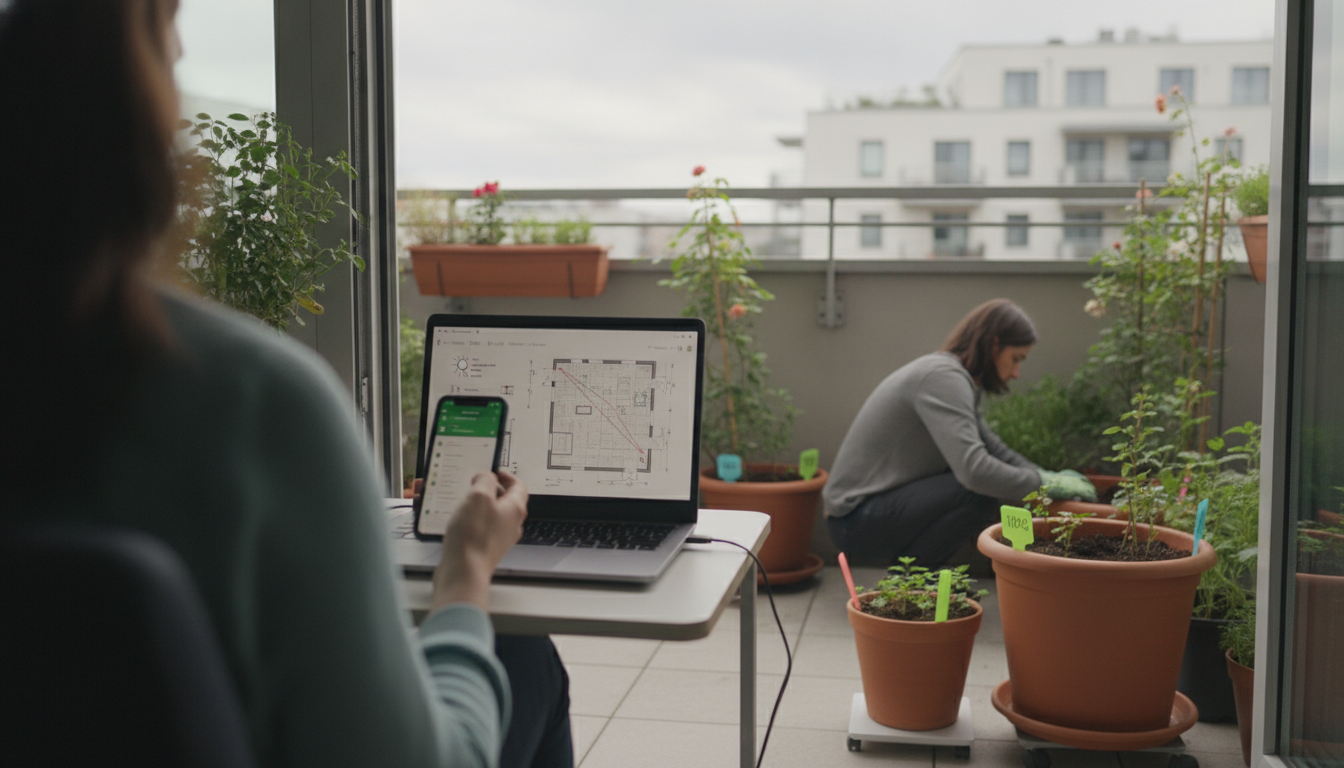
Yes—most balconies can support a thriving garden as long as you plan for a few practical limits: sunlight, wind, water control, and weight. With the right containers and placement, you can grow everything from herbs and salad greens to compact tomatoes and flowering plants, even in small spaces.
Start by matching plants to your light. South- and west-facing balconies usually get the most sun for fruiting plants (like peppers), while partial shade is ideal for leafy greens and many ornamentals. Use containers with drainage, but add saucers or trays so runoff doesn’t drip to neighbors below.
Balconies can be surprisingly windy, especially on higher floors or at building corners. Choose heavier pots (or add weight at the bottom with gravel), group containers together to create a sheltered microclimate, and avoid tall, top-heavy planters that can tip. If wind is strong, use railing planters only when they lock securely in place and can’t shift.
This is the biggest “yes, but” for balcony gardening. Wet soil, large ceramic pots, and stored water add up quickly. Spread weight across the balcony instead of clustering heavy planters in one spot, and favor lighter materials (like resin or fabric grow bags) over stone or thick clay. If you’re unsure about load limits, check building rules or consult a professional.
Water responsibly: use saucers, self-watering planters, or drip trays, and avoid overwatering so excess doesn’t run off. Keep water away from walls and doors, and use a waterproof mat if needed to protect the surface.
For a deeper safety-focused checklist—covering wind exposure, drainage, and container weight—visit this balcony garden safety guide.
Lightweight, sturdy containers like resin planters, fabric grow bags, or fiberglass pots are usually safest because they reduce overall load while staying stable. Choose options with good drainage and pair them with drip trays to control runoff.





Leave a comment