
Meal prep gets dramatically easier when it stops being a marathon and starts working like a simple system: a short planning block, a repeatable shopping list, and a few “mix-and-match” components that turn into multiple meals. Instead of chasing perfection, aim for fewer decisions on busy days and quicker wins in the kitchen.
Pick 3–4 dinners you can rotate, plus 1–2 flexible options (tacos, grain bowls, pasta, breakfast-for-dinner). Build the plan around what you already have and what your week actually looks like. If two nights are packed, schedule the easiest meals there and save anything “new” for a calmer day.
Full meals are great, but ingredient prep is often faster and more versatile. Wash and chop produce, cook a batch of rice or pasta, and make one protein (like shredded chicken or roasted tofu). Add one sauce or dressing and you’ve created endless combinations without extra cooking.
Organize your list by store sections (produce, proteins, pantry, dairy/frozen). That structure cuts shopping time, reduces forgotten items, and makes it easier to restock staples. Keep a short “always buy” list for repeat essentials like eggs, yogurt, tortillas, frozen veggies, and beans.
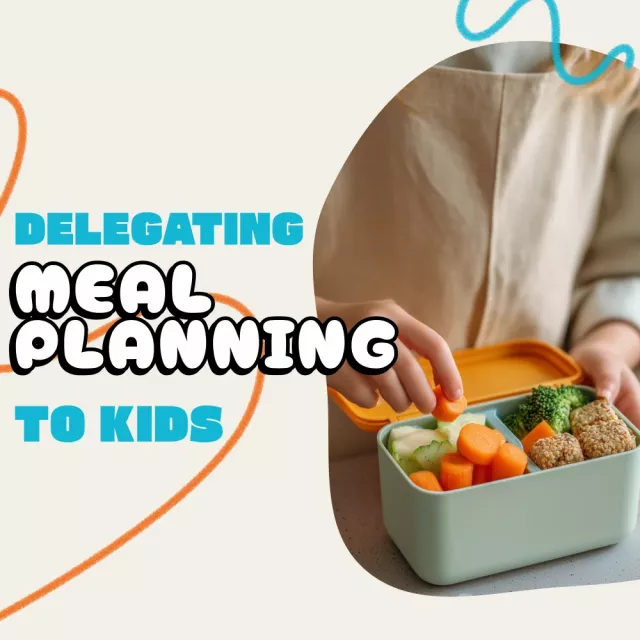
Meal prep feels lighter when it’s shared. Assign age-appropriate tasks: rinsing fruit, portioning snacks, labeling containers, or setting up a “grab-and-go” shelf. For a kid-friendly way to split responsibilities—and a printable checklist—use this guide: kids’ meal prep delegation printable checklist.
Standardize with a few container sizes and label quickly (day, meal, or ingredient). Store ready-to-eat items at eye level so they get used first. Keep backup meals—like frozen burritos or soup portions—for nights when the plan falls apart.
Start with flexible staples like cooked rice or pasta, roasted vegetables, hard-boiled eggs, shredded chicken, beans, and a simple sauce. They mix into bowls, wraps, salads, and quick dinners without extra cooking.






Leave a comment