Tom Ford briefs sit in the premium tier where the difference is in the details—fabric hand-feel, waistband finish, seam placement, and how consistently they hold their shape after long days. This guide breaks down what to look for, how to pick the right fit, and how to care for designer briefs so they stay comfortable and refined over time.
What Sets These Briefs Apart
Designer briefs tend to earn their reputation (and their price) through small, daily-wear details that are easy to miss until you’ve worn them under real outfits for full days.
- Elevated comfort focus: look for a smooth feel against skin, minimal bulk, and supportive shaping in front without feeling overly “locked in.”
- Refined finishing: cleaner edges and deliberate seam placement can reduce hot spots, especially when seated for long stretches.
- Waistband designed to disappear: a waistband that sits flat helps under tailored trousers, reducing the chance of a visible ridge or roll.
- Premium positioning: pricing reflects brand, design, and materials/finishing expectations rather than multipack “value per pair.”
- Best use cases: office-to-evening wear, slim pants, and anyone sensitive to thick seams or waistbands that fold over.
Quick Specs and Buying Snapshot
Before purchasing, confirm the size run and colorway shown on the listing, and review return/exchange terms for intimate apparel. If you’re between sizes, it’s usually smarter to prioritize a comfortable waistband and secure leg openings—those two areas do the most work to prevent rolling and riding up.
Fit and Comfort: Getting the Right Feel
Briefs should feel secure, not restrictive. A great pair disappears under your clothes and stays consistent from morning commute to end-of-day.
- Waistband: it should sit flat without digging. Do a quick test: sit, stand, and walk; the waistband should stay put without folding over.
- Leg openings: they should hug lightly. Too tight leads to pinching or lines; too loose leads to shifting and bunching—especially under slim pants.
- Pouch/support: aim for natural support that avoids excessive compression. Comfort should hold through a full day, not just the first hour.
- Under clothing: for tailored silhouettes, briefs are often the cleanest option because there’s less fabric to bunch than boxer briefs.
If you’re trying briefs after mostly wearing boxer briefs, expect a short adjustment period. The “right” fit is the one that doesn’t require readjustment throughout the day.
Fabric and Construction Details to Check on Arrival
Premium underwear should look and feel consistent right out of the package. A quick inspection helps catch comfort issues early—before you commit to keeping them.
- Fabric hand-feel: the surface should feel smooth and uniform, with no scratchy sections where seams meet the body fabric.
- Stitching: scan seam lines for even tension and no loose threads. Flatter seams generally reduce rubbing during walking or when seated.
- Elastic recovery: gently stretch the waistband and leg elastic and release. They should rebound quickly without waviness or a “tired” look.
- Label/branding placement: check that logos or tags aren’t positioned where they’ll rub. If tags are bothersome, consider trimming only if it won’t damage the garment or violate return terms.
For laundering icons and what they mean, it helps to recognize standardized care symbols; see an overview of textile care symbols under ISO 3758.
When Briefs Make More Sense Than Boxer Briefs
Briefs aren’t “better” across the board—but they’re often better for specific wardrobes and routines.
- Slim trousers and suits: reduced fabric at mid-thigh improves drape and can prevent bunching when you move or sit.
- Warm climates or long days: less fabric can feel cooler and drier, especially under structured pants.
- Active commuting: fewer folds can mean fewer friction points, particularly on stair climbs and long walks.
- Note on chafe: if inner-thigh chafe is a recurring issue, boxer briefs may still be the more comfortable choice—choose based on your body and your pants.
Care Routine to Preserve Shape and Softness
If you reference reviews or endorsements while shopping, it’s worth knowing what transparent advertising guidance looks like; the FTC’s endorsement guides outline disclosure expectations.
Worth It for a Designer Drawer?
- Best for: those who prioritize fit consistency, minimal bulk, and a polished feel under dress pants.
- Consider alternatives if: your daily routine involves frequent high-heat machine drying, or you prefer multipack affordability over finishing.
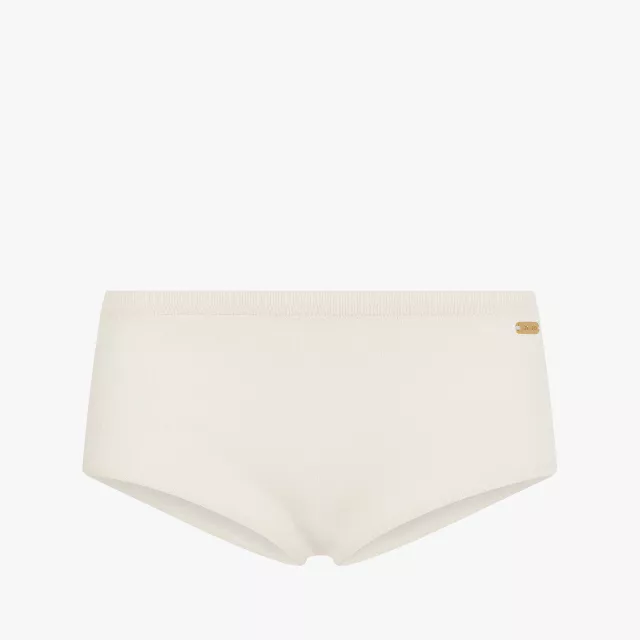
- Practical approach: start with one pair (like the Tom Ford Underwear Briefs), validate comfort for a full week, then expand your rotation once you’re confident in sizing.
Also In Stock (Handy Add-Ons)
FAQ
How should designer briefs fit at the waist and legs?
The waistband should sit flat without digging or rolling, and the leg openings should lightly hug without pinching. A good fit won’t shift when you walk or sit, and it should stay smooth under slim trousers.
How often should briefs be replaced?
Replace briefs when elastic loses recovery, fabric thins, seams start rubbing, or the fit becomes loose. For frequently worn pairs, that can be around 6–12 months, and longer when you rotate pairs and use gentle care.
Is it better to air-dry premium underwear?
Yes—air-drying helps preserve elastane and waistband shape over time. If you must machine dry, use low heat and remove promptly to reduce stress on the elastic.
Recommended for you







Leave a comment