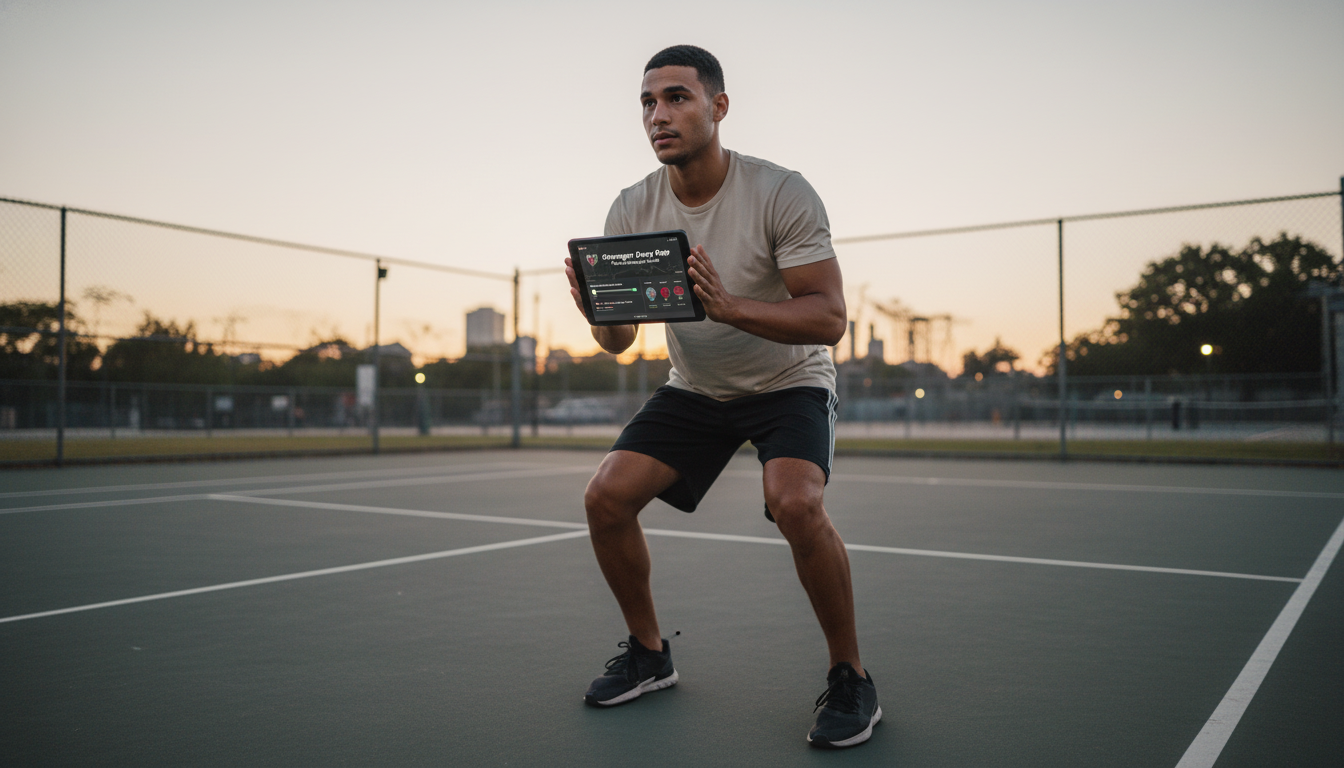
Consistency gets easier when training feels supportive instead of punishing. Fitness confidence isn’t a personality trait you either have or don’t—it’s the result of a repeatable rhythm that you can follow on busy weeks, low-energy days, and “I’m not feeling it” moments. The goal is simple: rebuild trust with yourself rep by rep, using moderate effort, clear next steps, and a no-pressure mindset reset that keeps progress moving forward.
Confidence in training is less about hype and more about reliability. It shows up in small, practical behaviors that reduce stress and increase follow-through.
If workouts routinely leave you wiped out, sore for days, or mentally dreading the next session, confidence tends to drop. When sessions feel repeatable, you start to trust your process—and that’s when momentum becomes steady.
Pressure is unpredictable. Processes are dependable. The most effective “reset” is swapping dramatic goals for a simple weekly system you can repeat.
Neutral self-talk can be as plain as: “I missed Wednesday. I’m doing 20 minutes today. Next session is Saturday.” No moralizing, no punishment, no doubling up to “make up for it.” Just the next step.
You don’t need extreme intensity every session to build strength. Many people progress best with moderate effort most days—finishing sets with 1–3 reps left in the tank. That approach supports better form, better recovery, and more consistent training.
| Day | Session | Time | Confidence focus |
|---|---|---|---|
| Mon | Full-body strength (A): squat + push + pull + core | 30–40 min | Stop 1–2 reps before failure |
| Tue | Walk or light cardio + mobility | 20–30 min | Keep it easy; finish refreshed |
| Wed | Full-body strength (B): hinge + push + pull + carry | 30–40 min | Choose weights that feel “steady” |
| Thu | Optional mini session: 10-minute circuit or stretching | 10–15 min | Minimum session counts |
| Fri | Full-body strength (A) repeat or technique day | 25–40 min | Form > load |
| Sat | Enjoyable movement: bike, hike, class, sport | 20–60 min | Fun is a training tool |
| Sun | Rest + simple review | 5–10 min | Note one win and one next step |
For general health, the CDC recommends a mix of aerobic activity plus muscle-strengthening activities each week; a simple two-to-four-day strength rhythm fits well for many schedules (CDC physical activity guidelines). If you want more detail on resistance training principles, the ACSM resistance training guidance is a helpful reference.
Willpower fades. Friction is what you can actually control. The trick is to make starting so easy that your “off” days still have a path forward.
A practical check-in rule: if soreness is 4–5, keep strength work lighter or do mobility and a walk. If energy is low but soreness is mild, do the minimum effective session. This kind of flexibility supports both physical recovery and mental confidence. The APA notes exercise can support stress management, and a gentler plan often makes it easier to keep moving during stressful seasons.
If you want structure without pressure, the Stronger Every Rep – Fitness Confidence Guide (digital download) brings the pieces together into a confidence-first system you can reuse:
To support the “low-friction” setup at home, a dedicated storage spot can help: the Sturdy 6×4 FT Metal Outdoor Storage Shed for Garden, Bike, and Tools can keep equipment organized and out of the way. For simple routine support, the Vintage Embossed Glass Storage Jar with Airtight Seal – 23.7 oz is a practical option for portioning snacks or pre-workout fuel so decisions feel easier.
For many people, 2–4 strength sessions per week is enough to build strength while keeping recovery manageable. Shorter sessions can work well when they’re consistent and repeatable across weeks.
Use a minimum-session option (even 10–15 minutes) so the habit stays intact, then scale intensity based on energy, stress, and soreness. If you miss days, restart with the simplest next session instead of trying to “make up” lost workouts.
Yes—predictable templates, moderate effort, and form-first progression are beginner-friendly by design. Start with lighter loads (or at-home variations) and focus on consistent practice before chasing heavier weights.




Leave a comment