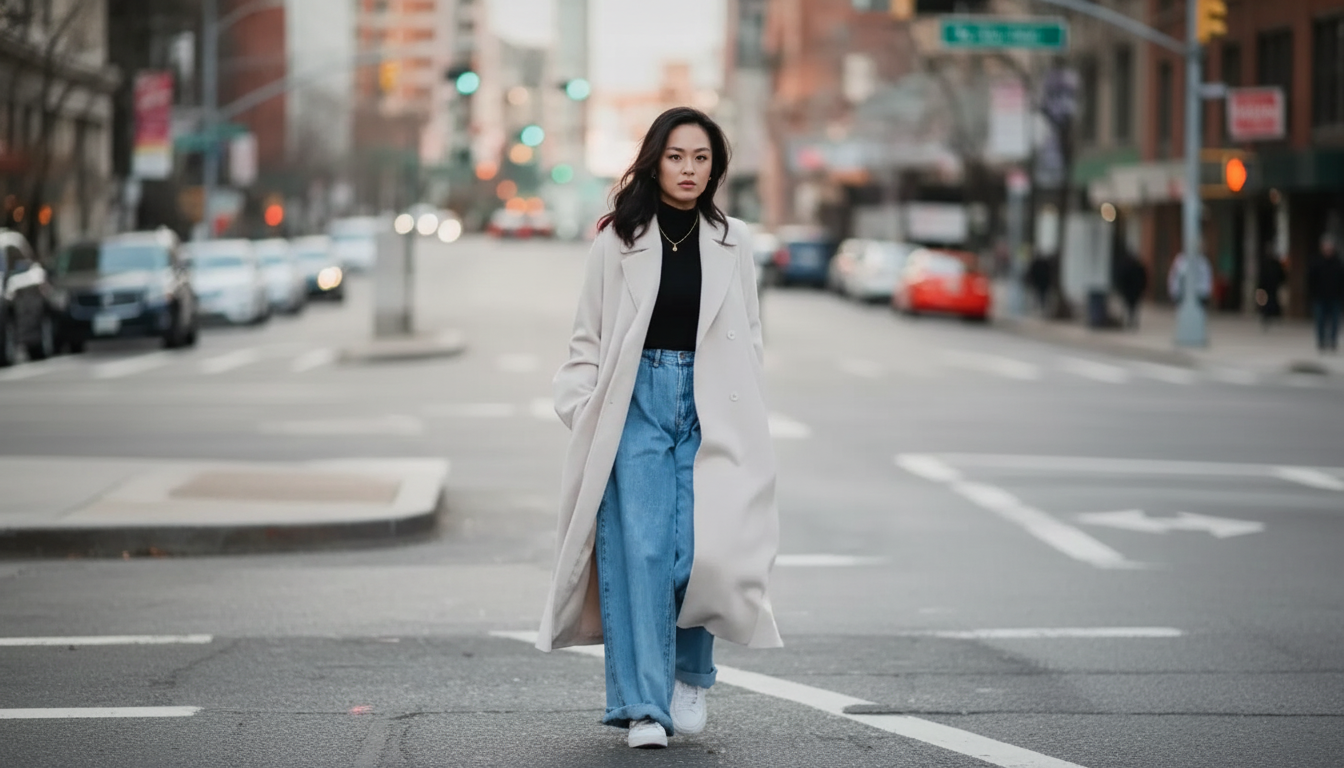
Casual Friday can be a confidence boost—or a quiet career risk—depending on how “casual” lands in a specific workplace. The goal is to look relaxed but intentional: comfortable pieces, clean lines, polished shoes, and office-ready proportions. Below are practical outfit formulas, what to avoid, and how to adjust for different industries and seasons without losing personal style.
In most offices, Casual Friday translates to “business casual with personality,” not weekend wear. The exact interpretation shifts by industry (finance vs. tech vs. education) and by whether your role is client-facing or mainly internal. When in doubt, anchor your look with at least one unmistakably professional piece: a blazer, structured trousers, polished shoes, or a crisp shirt.
Fit and condition do a surprising amount of the work. A well-fitting top in a sturdy fabric reads sharp even when it’s casual; a stretched tee, pilling sweater, or wrinkled shirt can read sloppy fast. If your workplace has formal dress code guidance, it’s worth checking resources like SHRM for general workplace norms and how companies commonly frame dress policies.
The easiest way to avoid “too casual” is to choose one relaxed hero item—dark jeans, a knit polo, clean sneakers, or a softer blazer—and keep the rest structured and neat.
These combinations are flexible enough to rotate, repeat, and tweak for your workplace vibe.
| Office vibe | Best bet outfit | Shoes | Avoid |
|---|---|---|---|
| Client-facing / conservative | Tailored trousers + crisp shirt + blazer | Loafers, oxfords, low pumps | Ripped jeans, hoodies, loud sneakers |
| Business casual / mixed meetings | Dark denim + knit top + structured jacket | Loafers, sleek sneakers, ankle boots | Overly distressed denim, flip-flops |
| Creative / relaxed | Wide-leg trousers + tee + statement layer | Clean sneakers, clogs, boots | Gym wear, novelty graphics, pajama silhouettes |
| Tech / casual everyday | Dark jeans + polo/tee + overshirt | Minimal sneakers, casual derbies | Wrinkled tees, worn-out shoes |
Small details are what separate “relaxed professional” from “ran out the door.”
For deeper context on how professional norms form and why “small signals” matter, a thoughtful overview of workplace expectations can be found at Harvard Business Review.
If you need a quick refresher on business casual basics across different workplaces, the Indeed Career Guide has practical overviews you can compare against your company culture.
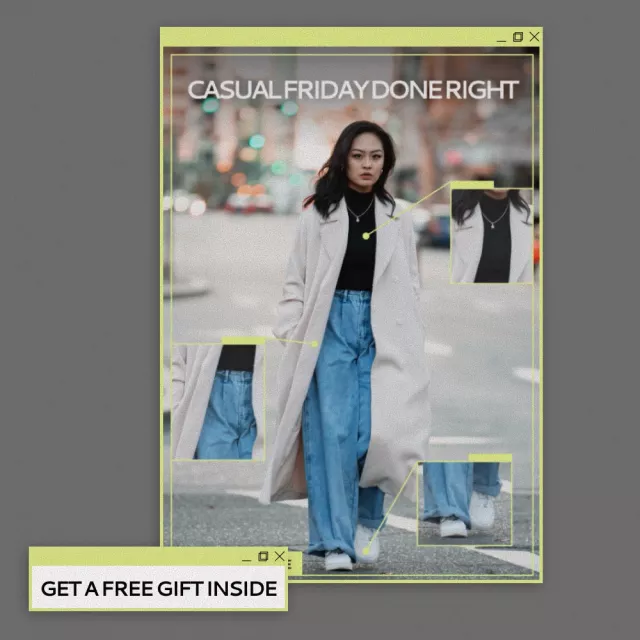
If you want a step-by-step framework you can follow without overthinking, the Casual Friday Done Right – How to Dress for Casual Friday Outfits | Smart Workwear Style Ebook Guide walks through outfit combinations and practical styling rules you can apply week after week.
Pair it with a quick visual check before you head out: Snap It in Style: iPhone Outfit Photo Checklist – How to Take Outfit Photos with iPhone helps you spot what mirrors can miss (proportions, wrinkles, shoe condition, and overall polish) in seconds.
Usually yes in business casual or more relaxed workplaces—choose dark, non-distressed denim with a clean hem and pair it with a polished top and structured layer. In conservative or client-facing offices, tailored trousers are often the safer choice.
Only if the office culture supports it; stick to minimal, clean sneakers in neutral colors and keep the rest of the outfit refined. Skip running shoes and worn-out pairs, which can make an otherwise solid look feel too informal.
Avoid loungewear, ripped or heavily distressed items, overly revealing pieces, loud slogans/graphics, and ultra-casual footwear like flip-flops. Fit, cleanliness, and garment condition matter just as much as what category the clothing falls into.





Leave a comment