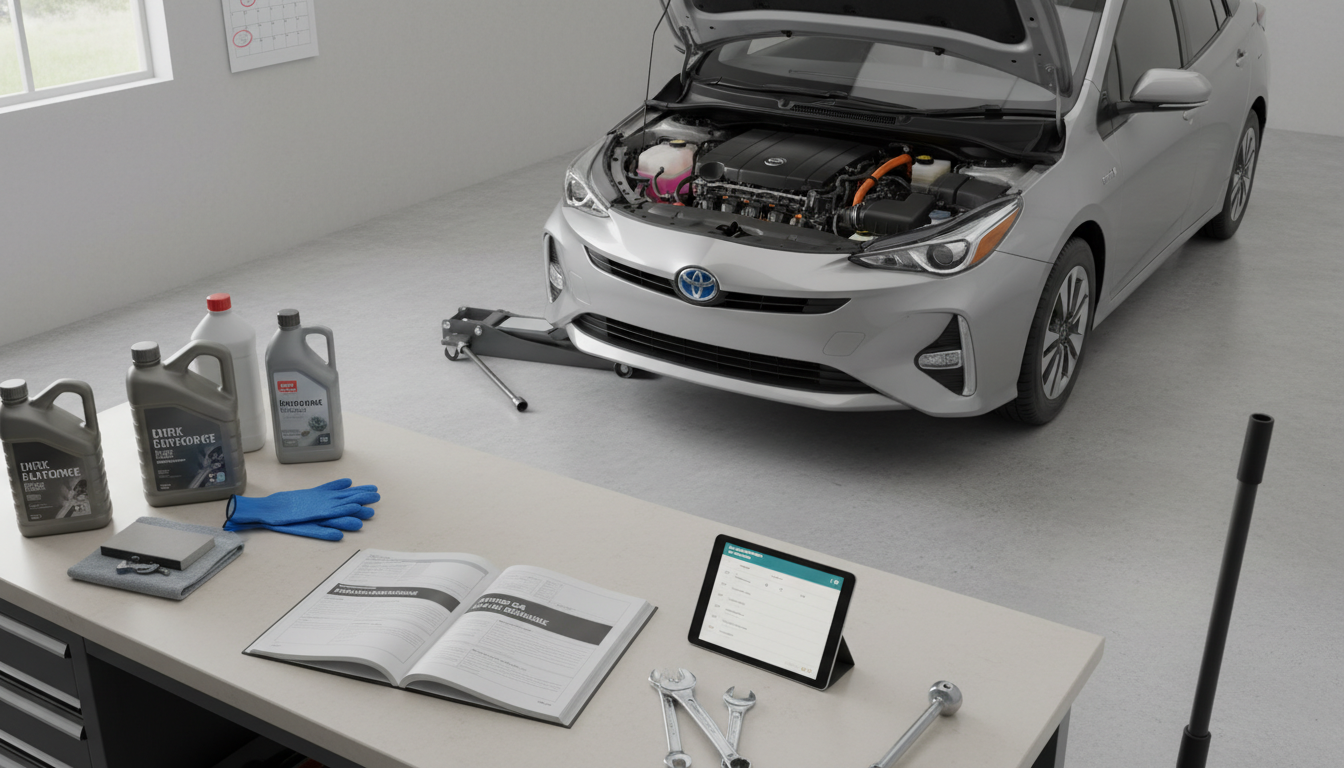
Hybrid cars stay most efficient when you follow a schedule that covers both the gas engine and the electric/hybrid systems. The exact intervals vary by make and model, so use the items below as a practical baseline and confirm timing in your owner’s manual.
Check tire pressure and tread wear. Underinflated tires can noticeably reduce fuel economy, and hybrids are sensitive to rolling resistance. Also top off windshield washer fluid and listen for new noises during braking, since regenerative braking can mask early pad issues.
Rotate tires and inspect brakes, suspension, and steering components. Many hybrids go longer between brake pad replacements due to regenerative braking, but calipers and slide pins still need inspection to prevent sticking or uneven wear. If your model uses an oil-change minder, follow it; otherwise, change engine oil per the manual (some hybrids can go 10,000 miles with synthetic oil, others should not).
Replace the engine air filter if it’s dirty and consider a cabin air filter replacement if airflow drops or odors appear. Have the hybrid cooling system components inspected—especially the hybrid battery cooling intake and fan area (often near the rear seat or cargo area). Keeping that airflow path clean helps battery temperature stay in the efficiency zone.
Inspect and service fluids based on the manual: engine coolant condition, inverter/electric coolant (if equipped), brake fluid moisture level, and transmission/eCVT fluid (many are “lifetime,” but inspections are still smart). Spark plugs are often due closer to 100,000 miles, but some models specify earlier.
Run a diagnostic check if you notice reduced MPG, more frequent engine run time, or warning lights. Also clean out the cargo area and rear seat vents if your hybrid has a battery intake there—pet hair and dust are common causes of restricted cooling.
For model-specific tips on protecting the battery and spotting easy fixes, see this hybrid maintenance guide.
Keep the battery cooling vents clear, avoid letting the car sit unused for long periods, and address warning lights quickly. Consistent maintenance and stable operating temperatures are the biggest factors in long-term battery health.







Leave a comment