
Seasonal trends move fast, but a confident wardrobe comes from knowing what to adopt, what to adapt, and what to ignore. This digital guide is designed to help build trend awareness without losing personal style—using simple planning steps, outfit formulas, and practical checklists that make getting dressed easier all year.
Being trend-smart isn’t about chasing every new drop. It’s about using trends like tools—small, strategic updates that keep your look fresh while your closet stays coherent.
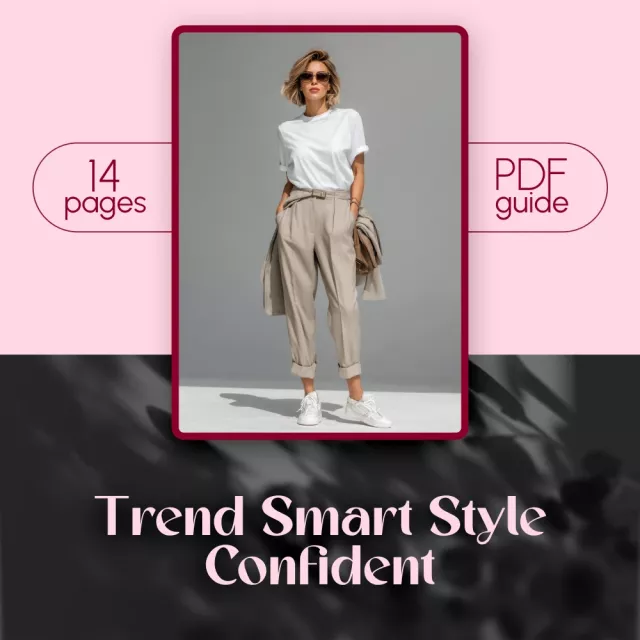
For a structured, low-overwhelm way to do this, the Trend Smart Style Confident digital guide turns trend awareness into an easy seasonal routine you can repeat year after year.
The easiest way to feel stylish in every season is to plan once, then coast. A quick closet review plus a focused shopping boundary prevents “random add-to-cart” purchases and makes outfits feel intentional.
| Step | What to do | Outcome |
|---|---|---|
| Edit | Try on core items; remove what doesn’t fit or suit your current life | A closet that reflects the present |
| Refresh | Note gaps: shoes, layers, denim, basics, accessories | A focused shopping list |
| Trend filter | Choose 1–3 trend elements that match your baseline | Updates that still feel like you |
| Outfit map | Build 10–15 repeatable outfits from what you own | Less decision fatigue |
| Maintain | Track wears, repairs, and returns for 30 days | Better value per piece |
Trend awareness gets easier when you stop scrolling for “perfect outfits” and start scanning for patterns. A simple three-tier method keeps you informed without turning fashion into homework.
For credible trend context, browse seasonal show coverage on Vogue Runway, industry analysis at The Business of Fashion, and forecasting signals from WGSN.
Confidence doesn’t come from having more clothes; it comes from having fewer decisions and more “yes” outfits. A practical wardrobe plan puts fit, function, and repeatability first.
For quick closet organization—especially jewelry, hair accessories, and small styling pieces—the Vintage Embossed Glass Storage Jar with Airtight Seal – 23.7 oz makes the “finishing touches” easier to find (and easier to actually wear).
If taking outfit photos feels awkward (or the results never match what you see in the mirror), Snap It in Style: iPhone Outfit Photo Checklist helps you capture clear, consistent images so you can spot what reads confident—and repeat it.
When you want a repeatable system (not a one-time wardrobe reset), the Trend Smart Style Confident | Fashion Trends Digital Guide for Seasonal Style, Wardrobe Planning & Trend Awareness is designed to make seasonal planning feel straightforward, not stressful.
Stick to 1–3 trends per season, chosen for versatility and how easily they pair with your existing staples. This keeps your wardrobe feeling current without creating “one-wear” purchases.
Do a quick closet edit, make a short gap list, then map 10–15 repeatable outfits using a few reliable formulas. Save the best looks in a dedicated album, notes app, or closet app so they’re easy to repeat.
Use accessories first, shop secondhand or rentals, or buy one strategic statement piece you can style multiple ways. Set a budget and a return window, and prioritize fit so the item earns repeat wears.




Leave a comment